
A recent study found that 86% of SaaS users decide whether to continue using a product within the first week — and transactional emails often shape that decision. These automated messages don't just confirm actions; they communicate reliability, guide engagement, and build trust.
Think of transactional emails as automated messages your app sends when a user does something specific. For example, when they sign up, reset their password, or hit a usage limit.
Yet, many SaaS teams treat transactional emails as an afterthought, focusing heavily on marketing automation while neglecting their most opened communications.
This guide explores the six transactional emails every SaaS company must perfect — with proven templates, benchmarks, and strategies for higher engagement, conversions, and long-term retention.
What Are Transactional Emails? A Clear Definition for SaaS Teams

Think of transactional emails as automated messages your app sends when a user does something specific. For example, when they sign up, reset their password, or hit a usage limit.
Here's what makes them special:
- People actually open them: Users are usually waiting for these emails, so they get much higher open rates than your typical marketing newsletter.
- They aren't considered spam: Since they're sent based on a user's action and provide important info, they get a pass from most anti-spam laws.
- They're different for SaaS: While an e-commerce store sends an order confirmation, a SaaS business uses these emails to get users more engaged with the product and try out new features.
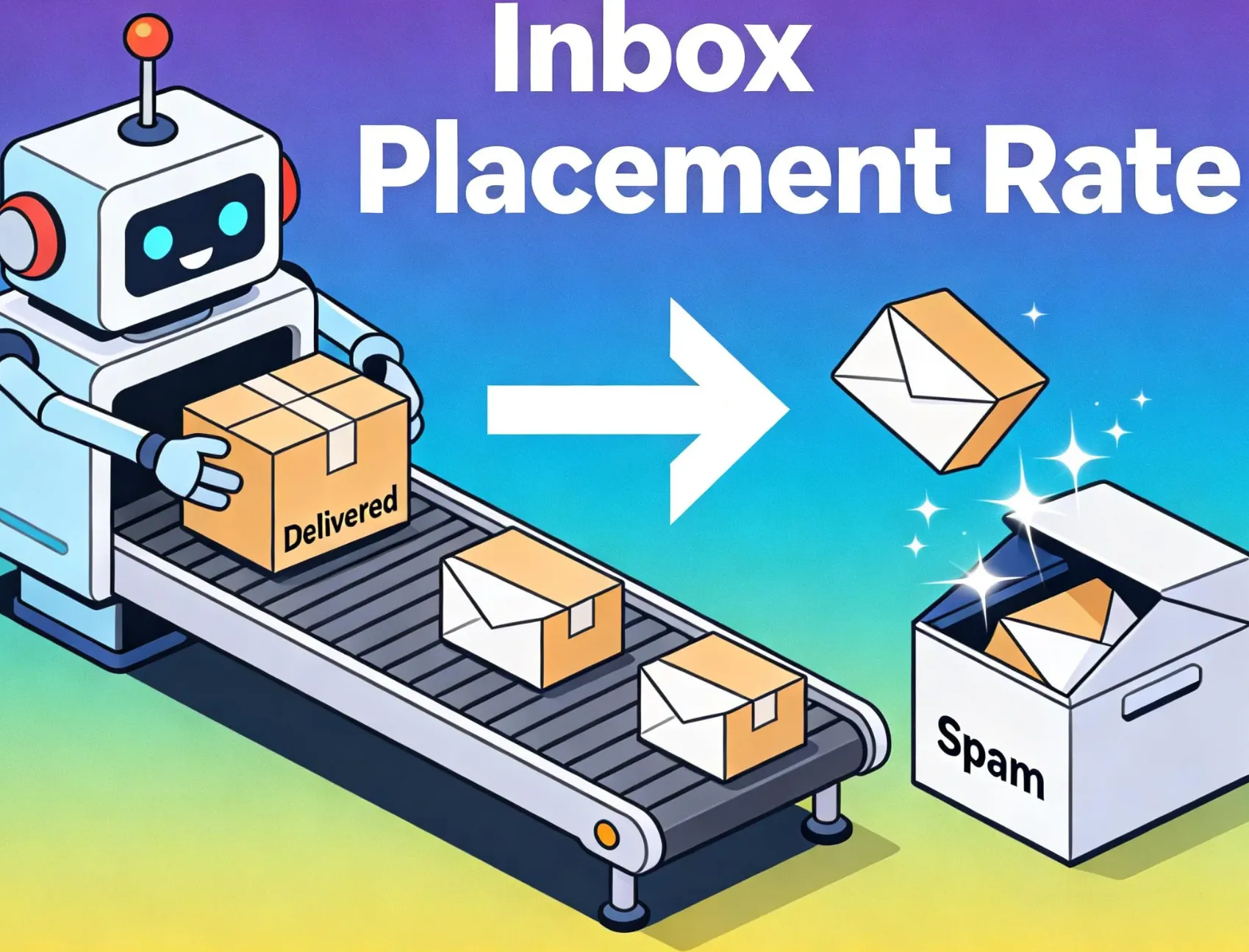
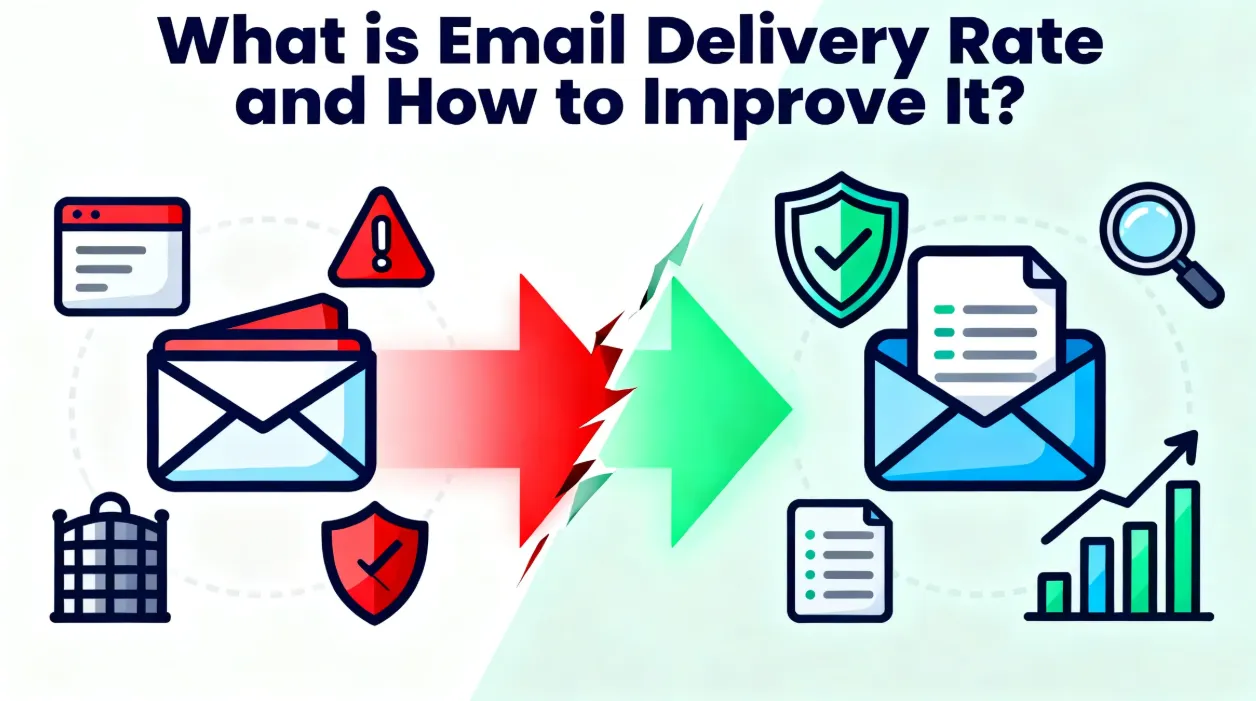
With Aurora SendCloud , you can make sure every one of these crucial emails lands in the inbox, not the spam folder. That way, you keep your delivery rates high and your users happy.
Why SaaS Founders and Growth Marketers Should Care About Transactional Emails
Think transactional emails are just for sending receipts? Think again! They're actually super strategic.
- Keep Customers Around: Bad onboarding can cause a whopping 70% of customers to leave. Good transactional emails help users see the value early on.
- Boost Your Bottom Line: Done right, even something like a trial expiration email can convert up to 20% of users. That's big!
- Build Trust: When your transactional emails look clean, secure, and on-brand, it shows your product is reliable and high-quality.
Basically, every transactional email is a chance to keep users engaged, teach them something new, and even encourage them to upgrade – if you play your cards right.
The 6 Must-Have SaaS Transactional Emails That Boost Engagement and Retention
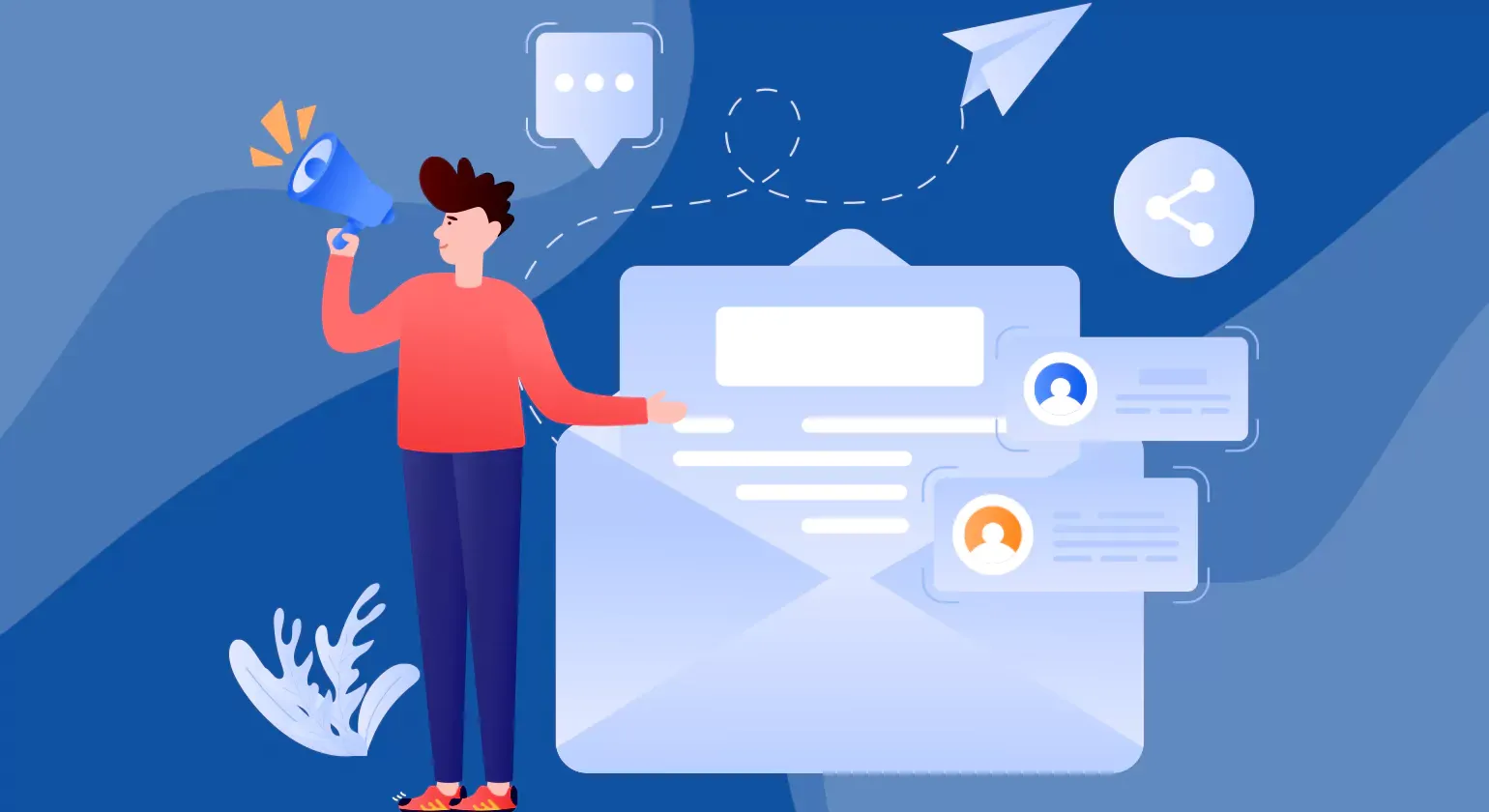
Below is a comprehensive list of six high-impact transactional emails every SaaS platform should implement, complete with their triggers, objectives, and key content elements.
1. Account Activation and Welcome Email
Trigger: Dispatched immediately upon successful user signup or payment confirmation.
Objective: To confirm account creation and guide users toward their initial meaningful interaction within the application.
Best Practices:
- Incorporate a prominent "Get Started" Call-to-Action (CTA) button, directing users straight to their dashboard.
- Provide quick-access links to relevant tutorials or community forums.
- Utilize personalization: address the user by name and suggest a clear next step (e.g., "Hi Sarah, let's configure your first project").
A well-crafted welcome email establishes the foundation for the entire user relationship, serving as the product's crucial first impression.
2. Password Reset Email
Trigger: Initiated when a user requests a password reset.
Objective: To deliver a secure and seamless account recovery experience.
Essential Inclusions:
- A one-click secure link with a defined expiration period (e.g., one hour).
- A concise security notification : "If you did not initiate this request, you may safely disregard this email."
- A clean, uncluttered layout featuring only essential information.
In the SaaS environment, security underpins trust. A dependable password reset mechanism assures users that their data and accounts are well-protected.
3. Trial Expiration or Renewal Notification
Trigger: Sent 3–1 days prior to the conclusion of a trial period.
Objective: To convert free trial users into paying subscribers.
Best Practices:
- Employ time-sensitive language : "Your trial concludes in 24 hours – ensure continuity of your data!"
- Present transparent pricing and a comparative overview of plans .
- Offer a limited-time discount or bonus feature to encourage prompt decision-making.
Aurora SendCloud facilitates intelligent automation for renewal reminders, ensuring that timely messages reach users before their access lapses.
4. Usage Limit Alert Email
Trigger: Issued when a user approaches approximately 80% of their plan's allocated limit (e.g., storage, API calls).
Objective: To prevent service disruption and encourage plan upgrades.
Best Practices:
- Visually represent usage with a progress bar or percentage.
- Include a direct Upgrade CTA linking to the pricing page.
- Maintain a positive tone, framing the upgrade as an opportunity rather than a warning.
Usage alerts serve as both subtle upsell tools and demonstrations of your platform's proactive approach to ensuring uninterrupted service.
5. Billing Receipt and Failed Payment Notification
Trigger: Generated following a successful payment or a failed transaction.
Objective: To build trust through transparency and minimize involuntary churn.
Billing Receipt Requirements:
- A clear summary of charges and the upcoming billing date .
- Contact details for billing support.
Failed Payment Email Requirements:
- Subject line: "Action Required – Your Payment Could Not Be Processed."
- Message: "Please update your payment method to prevent service interruption."
- A prominent "Update Payment Info" button, directly linking to the billing management page.
While seemingly routine, these communications are vital for maintaining a continuous user experience and consistent revenue streams.
6. Account Deletion Confirmation Email
Trigger: Dispatched when a user closes their account.
Objective: To conclude the user relationship gracefully and maintain an open channel for potential reactivation.
Best Practices:
- Confirm the data removal timeline and retention policy .
- Provide a feedback form link to gather insights on the reason for departure.
- Include a subtle reactivation CTA: "Considering a return? Restore your account within 14 days."
Professional closure emails demonstrate respect for user data and preserve a positive brand image, even during exit scenarios.
Common Mistakes SaaS Companies Make with Transactional Emails
Even leading SaaS teams can overlook fundamental best practices. Avoid these common missteps:
- Sending from a "no-reply" address: This practice hinders valuable feedback channels and customer engagement.
- Mixing marketing with transactional content: Maintain focus on the functional purpose of transactional emails, separating promotional material.
- Ignoring mobile optimization: Given that over 60% of transactional emails are opened on smartphones, ensure every layout is thoroughly tested for responsiveness.
Each of these errors can erode user trust and negatively impact email deliverability. The solution involves leveraging a professional delivery platform, such as Aurora SendCloud , to guarantee compliance, optimal formatting, and consistent performance.
About Aurora SendCloud: Delivering Reliable Transactional Email Solutions
Aurora SendCloud is a B2B SaaS email delivery platform designed for businesses that value accuracy, speed, and deliverability. With AI-powered optimization and global infrastructure, it ensures that your transactional emails always reach the inbox.
Key Highlights:
- Enterprise-grade email delivery with minimal latency.
- Built-in templates for transactional email flows like password resets, onboarding, and billing alerts.
- A/B testing and analytics dashboard for performance insights.
- Compliance-ready infrastructure ensuring GDPR and CAN-SPAM safety.
Trusted by startups and enterprises alike, Aurora SendCloud empowers SaaS companies to communicate with confidence.
FAQs
How do transactional email services differ from marketing email platforms?
While marketing emails focus on promotions and brand awareness, transactional email services handle one-to-one, time-sensitive customer interactions. Many SaaS platforms now use hybrid transactional and marketing emails for complete customer engagement, allowing teams to manage both through one email marketing dashboard.
What features define the ideal transactional email app in 2026?
The best transactional email apps feature drag and drop builders, transactional email APIs, inbox placement testing, reliable email delivery integration, and detailed delivery tracking. Advanced analytics, chat support, and dedicated IP addresses make them suitable for enterprise plans.
What pricing and scalability options matter in 2026?
Choose transactional email platforms with a generous free plan for up to 10,000 emails per month, scalable paid plans, and enterprise plan options. Reliable email delivery integration, advanced features, and a drag and drop builder make the right transactional email service ideal for growing SaaS businesses.
Why are branded transactional emails essential?
In 2026, customers expect branded transactional emails that reflect consistent design, tone, and professionalism. Using customizable transactional email templates within transactional email platforms strengthens customer relationships and enhances brand trust.
How should SaaS teams choose the right transactional email service provider?
Look for transactional email providers offering a generous free plan for up to 10,000 emails per month, flexible paid plans, phone support, and powerful inbox placement tools. Prioritize email testing capabilities, drag and drop editors, and detailed analytics to improve customer engagement and overall business performance.
Conclusion: Audit, Optimize, and Elevate Your SaaS Email Experience
Transactional emails are more than just system messages; they are a critical extension of your product's voice.
From onboarding to billing, each email presents an opportunity to improve user retention, recover lost revenue, and build brand trust. Begin by auditing your current email flows against the points discussed. Identify areas for improvement, refine your templates, and monitor performance over time.
With Aurora SendCloud , you can optimize every aspect of your email communications—transforming routine notifications into powerful tools for business growth.