

Imagine that you received the same two emails for content, suggestions and attachments. One commencement begins with "everyone involved" and the other begins with "To Daniel." Many readers intuitively trust the latter email. Before reading the text, you feel that you are recognized, valued, and respected. In today's digital-first business world, where the average professional receives over 120 emails per day, making a positive first impression has never been more critical.
Email greetings are the first contact points between humans in digital communication. The judgment is often made before reading the first paragraph. Since greeting forms the first impression, it directly affects the opening rate, reply rate, and overall engagement. Learning the strategy of email greetings is one of the most effective optimization methods for professional email creation without the need for additional budgets, tools or time. If we do it properly, we will transform mail communication from an intuitive one to a reproducible strategic system. According to HubSpot's email marketing research, personalized greetings can increase open rates by up to 26% compared to generic alternatives.
Why Email Salutations Matter in Professional Communication
Email greetings play an important role in shaping how recipients perceive messages before reading a sentence. Properly selected greeting sentences clarify intentions, demonstrate professionalism, and allow readers to anticipate the tone and purpose of communication. In modern inboxes overflowing with automated sending emails, greeting sentences are often the determiner to determine the relevance and importance of emails. By understanding the importance of greeting, professionals can improve engagement, build trust quickly, and communicate effectively in various business scenarios. A well-crafted salutation signals that you've taken the time to consider your recipient, which builds credibility from the very first line.
-
1
Establishing Instant Connection and Trust
Email greetings create the first emotional connection between the sender and the recipient. Appropriate calls show consideration, effort and respect to the other party. This immediate recognition makes the reader feel recognized rather than targeted. When a greeting is deliberate and human, trust is formed instantly, increasing the likelihood that the recipient will read and reply positively. Research from Forbes shows that 78% of recipients form their first impression of a sender within the first three seconds of opening an email, making the salutation a critical element in building initial trust. -
2
Setting the Right Communication Tone
Email greetings determine the overall expectation of the message. Formal greetings convey seriousness and authority; informal greetings convey openness and collaboration. Choosing the right tone prevents confusion and discomfort. If the greeting meets the relationship and context, the reader will be able to engage in the message comfortably from the start. For example, using "Hi" in a job application email might seem unprofessional, while "Dear" in a casual team update could create unnecessary formality that distances colleagues. -
3
Influencing Open Rates and Engagement
Greetings directly affect the recipient's relationship with the email. Personalized and relevant greetings draw attention faster than generic ones. Pause the scanning process, prompting opening and involvement. By using appropriate email greetings, professionals can improve opening rates, increase replies, and enhance overall email performance without changing the core message. Aurora SendCloud's internal analytics show that emails with personalized greetings have a 31% higher reply rate, demonstrating the tangible impact of thoughtful salutations on engagement metrics. -
4
Demonstrating Professionalism and Respect
Careful email greetings reflect a reliable professional judgment. Indicates that the sender understands business manners and values respectful communication. Appropriate greetings enhance reliability, especially in formal and critical situations. By showing consistent professionalism at the beginning of the email, personal reputation and brand reliability will improve over time. In international business contexts, understanding cultural norms around greetings is particularly important, as highlighted in Grammar.com's comprehensive email etiquette guide.
The Core Decision-Making Model for Email Salutations
Selecting an appropriate email greeting statement requires analysis rather than guesswork. Professionals should evaluate three key factors before deciding to export business emails. This framework ensures that every greeting is intentional, context-appropriate, and aligned with both the relationship and communication goals.
Relationship Level: Who Are You Writing To
The depth of the relationship determines the level of formality allowed. Understanding your relationship with the recipient is the foundation of choosing an appropriate salutation.
- First contact: Use formal or neutral greetings to establish reliability and make a strong first impression.
- Regular Clients: Use professional yet friendly greetings that reflect intimacy while maintaining respect.
- Business Partners: Adapt to the tones used in past exchanges to maintain consistency and rapport.
- Colleagues: Use informal greetings unless the hierarchy requires formality, balancing professionalism with approachability.
- Friends or close contacts: Casual greetings are natural and appropriate, reflecting your established relationship.
The stronger the relationship, the more casual it is allowed. New or important relationships require prudence and professionalism. When in doubt, err on the side of formality—you can always become more casual as the relationship develops. For more tips on building and maintaining business relationships via email, see our guide to writing effective marketing emails.
Communication Context: Why Are You Writing
The purpose forms the expected value and risk tolerance. Different communication goals require different approaches to salutations.
- Marketing promotion: Increase engagement with friendly and familiar greetings that encourage interaction.
- Customer service: Reduce dissatisfaction with respectful and reassuring greetings that build trust.
- Sales follow-up: Encourage replies without the pressure of a balanced greeting that maintains professionalism.
- Business Report: Neutral or formal greetings maintain clarity and authority for important communications.
- Job application: Formal greetings show seriousness and ability, demonstrating your professionalism.
Highly influential or delicate communication is always effective in enhancing formality. For sensitive topics like contract negotiations or complaints, a more formal greeting helps maintain professionalism throughout the exchange. Learn more about CAN-SPAM compliance for commercial email best practices that complement your salutation strategy.
Cultural Background: Where Is the Recipient Based
Cultural norms strongly affect how you receive email greetings. Understanding cultural expectations is crucial for international business communication.
- North America: Casual professionalism is mainstream in modern business emails, with "Hi [Name]" being widely accepted.
- Western Europe: Polite and structured greetings are the standard, often using titles more frequently.
- Asia and the Middle East: Title and formal greetings show respect and respect for status hierarchies.
- Global Team: Neutral and professional greetings minimize cultural risks in diverse work environments.
Ignoring cultural backgrounds can unintentionally make a rude impression. Strategic email greetings reflect global awareness and professionalism. When communicating internationally, research the recipient's cultural norms or use neutral greetings like "Hello" to avoid miscommunication. For more global email best practices, see The Muse's guide to email greetings which includes international considerations.
Scenario-Based Email Salutation Strategies and Phrase Library
Change the style of the greeting letter according to the situation of the email, and ensure clarity, professionalism and appropriateness from the first line. The following scenarios provide actionable guidance for common business communication situations.
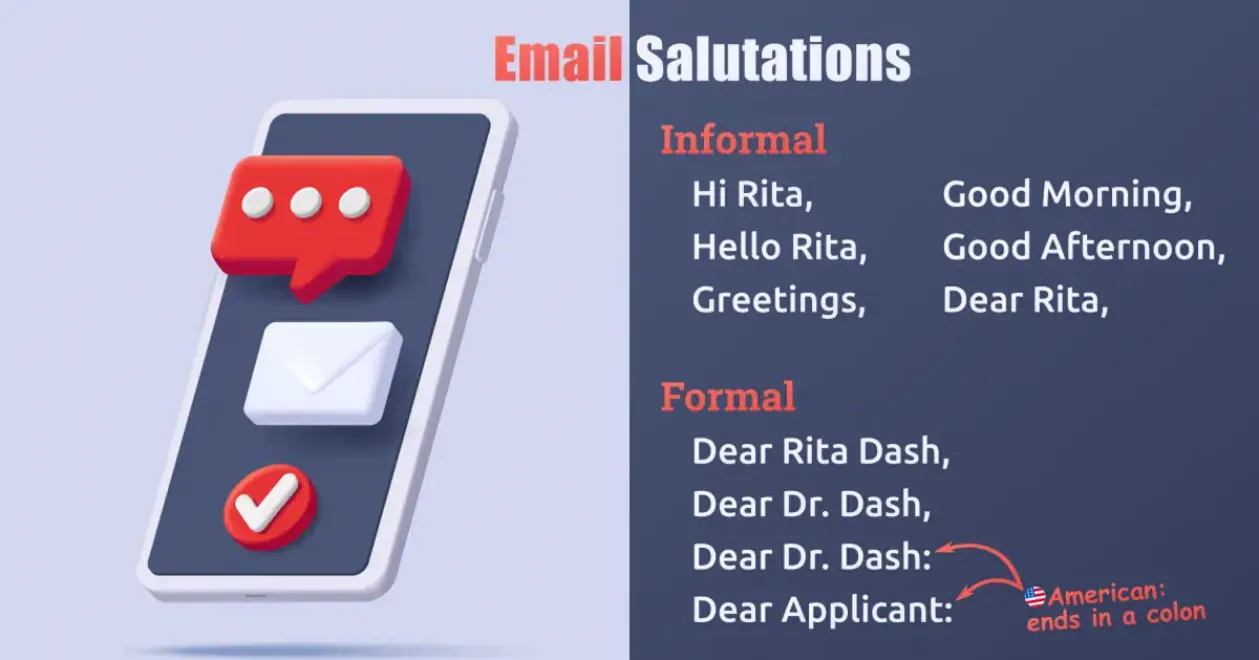
Scenario A: Formal Business Communication
Formal business emails require respectful structured greetings that reflect professionalism and hierarchy. This scenario applies when communicating with individuals you don't know well or in high-stakes business contexts.
 Example:
First communication, contact to the upper level, legal documents, official request.
Recommended Email Salutations:
- Mr. Khan
- Dr. Williams
- Recruiters
Use With Caution:
- Hello
- Greetings
Formal email greetings establish authority, respect hierarchy, and show seriousness. If power distance exists, always use the title to demonstrate proper respect for the recipient's position and expertise.
Scenario B: Routine Professional Communication
In daily business emails, we use friendly and professional greetings to support smooth and effective communication. This scenario covers regular interactions with colleagues and known contacts.
Example:
Work with known contacts, in-house teams and colleagues.
Recommended Email Salutations:
- Hello, Sarah
- Mr. Michael, hello
- Mr. Alex, good morning
Use With Caution:
- Hey
- Hi there
These greetings balance friendliness and professionalism. After an intimate relationship is established, the first name is usually appropriate. Morning or afternoon greetings like "Good morning, Lisa" can add a personal touch without being too casual.
Scenario C: Marketing Email Communication
Marketing emails draw attention to personalized greetings and increase engagement. Personalization is key to standing out in crowded inboxes.
Example:
Campaigns, newsletters and promotional activities.
Recommended Email Salutations:
- Hi [First Name]
- Hello [First Name]
Use With Caution:
- Dear Customer
- To whom it may concern
Marketing emails depend heavily on personalization. Basic name insertion alone greatly improves engagement and reaches rate. Aurora SendCloud's personalization features allow dynamic insertion of first names and other custom data at scale. Track your performance with MP Monitor to see how personalization impacts your email metrics and refine your greeting strategy accordingly.
Scenario D: Customer Service and Technical Support
Support mail uses respectful and empathetic greetings to build trust and reassure recipients. The tone should be supportive and understanding, especially when customers are experiencing issues.
Example:
Support tickets, onboarding, troubleshooting.
Recommended Email Salutations:
- Hi [Name]
- Dear [Name]
Use With Caution:
- Hey, buddy
- Hey, friend
Support communication needs to be respectful and empathetic. Professional greetings reassure customers during problem solving. When customers are experiencing issues, a warm yet professional greeting like "Hi John, I'm sorry to hear you're having trouble" can help defuse frustration and build rapport. Learn more about suppression list management to ensure you're only reaching engaged recipients and maintaining positive customer relationships.
Scenario E: When You Don't Know the Name or Gender
If the details are unknown, use neutral, job-based greetings to maintain a professional and comprehensive attitude. Gender-neutral greetings are essential for inclusive communication.
Example:
Cold outreach, job-based inbox.
Recommended Email Salutations:
- Hello
- Dear Hiring Team
- Dear Customer Support Team
Use With Caution:
- Dear Sir/Madam
- To whom it may concern
Job-based greetings regardless of gender give a modern, inclusive and professional impression. When cold emailing, investing time to research the recipient's name can significantly improve response rates—but if you can't find it, these neutral options work well. Check out our email verification guide for tips on building clean, accurate email lists that help you personalize greetings more effectively.
Common Email Salutation Mistakes That Reduce Engagement
Many professionals unintentionally compromise the effect of email by small mistakes. Outdated expressions make mail feel mechanical. Excessive honorifics create emotional distances. There is a risk of discomfort when you guess a name or gender. Ignoring punctuation rules gives an inadvertent impression. Resolve these issues with effective email greeting best practices that prioritize clarity, respect and relevance. For proper punctuation guidance, refer to APA Style or other professional writing resources to ensure consistency.
Frequently Asked Questions About Email Salutations
-
1
When should I use "Dear" instead of "Hi"?
"Dear" is used in formal situations such as job application, legal documents, and initial contact with senior officials. "Hi" is used in a modern business environment where friendliness is emphasized. As a general rule, use "Dear" when contacting someone for the first time in a professional context, and "Hi" for ongoing conversations with colleagues or known contacts. The key is to match the formality of the greeting to the relationship and context. -
2
I don't know the recipient's name. Can I use "Dear Sir/Madam"?
Avoid use. Use alternative expressions regardless of gender, such as "Dear Hiring Manager" or "Hello." These options give a comprehensive and contemporary impression. "To whom it may concern" is overly formal and can make your email feel impersonal. For more tips on inclusive communication, see The Muse's guide to email greetings. -
3
How should I handle salutations in mass marketing emails?
Use personalized tokens like "Hello, [Name]" as much as possible. If the name is unknown, neutral greetings are more effective than general placeholders. Aurora SendCloud's email personalization tools make it easy to dynamically insert recipient names and other data into your email greetings at scale. -
4
Is there a rule for punctuation after email greetings?
Yes. Most business emails use commas. Use colons only for extremely formal documents. Consistency is more important than strict rules. In American English, commas are standard after greetings (e.g., "Hi Sarah,"), while British English sometimes uses no punctuation at all. For grammar guidelines, refer to APA Style or other professional writing resources.
Conclusion: Start Every Valuable Conversation with the Right Salutation
Email salutations are not just habits—they are deliberate choices that shape how your message is received. The right greeting builds trust, sets the tone, and increases the chances of your email being opened and answered. Whether you are writing to a client, recruiter, customer, or team member, choosing a suitable salutation shows respect and professionalism. When in doubt, a simple "Hi [First Name]" works well in most modern business situations, balancing professionalism with approachability.
To apply these best practices at scale and improve open and reply rates, use Aurora SendCloud to send well-structured, personalized emails with confidence. Aurora SendCloud offers powerful personalization features, deliverability tools, and analytics to help you craft effective email campaigns that resonate with your audience.