

By 2026, consumer expectations of brands are higher than ever before. A recent report shows that 72% of consumers want brands to remember their preferences across email, SMS, and apps. Customers notice immediately when messaging is inconsistent.
They might receive a shipping alert via SMS, only for their email to show the order is delayed. Even worse, they could miss important updates entirely. These breaks in the customer journey damage trust and lead to lost revenue. It’s no wonder businesses are searching for tools that keep everything connected.
The good news is that email and SMS work even more effective when used together. You’ll get a smoother customer journey, more precise timing, and happier customers. This guide is designed to help you do exactly that .You’ll learn why unified messaging matters so much, what features to look for, and the top 10 omnichannel email marketing tools worth using in 2026. Let’s explore how to choose the right one for your business.
Why Email + SMS Integration Is Non-Negotiable in 2026
Email alone is no longer enough——and neither is SMS. Customers jump between channels all day long. So why not meet them where they already are? Data shows that omnichannel campaigns can deliver 3x higher engagement and up to 250% higher purchase rates compared to single-channel messages.
Think about real-life moments:
- E-commerce: A customer gets an order confirmation by email. A few hours later, they get an SMS saying their package is on the way.
- SaaS: A user gets a friendly reminder by email about an ending trial. Later, an SMS nudges them to upgrade before losing access.
This creates a seamless experience for customers. When messages work together, customers trust your brand more. And that trust leads to stronger growth.
5 Must-Have Features for Modern Omnichannel Platforms
Choosing the best email marketing SaaS in 2026 means looking for tools built for today’s customer habits. Here are the five features that matter most.
1. Unified Automation: You should be able to build email-SMS workflows in one place. For example, a user abandons their cart → they get an email → and if they don’t open it, they get an SMS reminder.
2. Global SMS Coverage: Strong email and SMS marketing platforms support local numbers in top markets like the EU, APAC, and North America.
3. AI-Powered Optimization: Modern tools use AI for:
- Predictive send times
- Spam score checks
- Smart content suggestions
4. Compliance Tools: Look for GDPR-compliant email software with:
- Auto-consent logs
- Easy unsubscribe handling
- CAN-SPAM protections
5. Unified Analytics: You need one dashboard that tracks:
- Email opens
- Clicks
- SMS replies
- Revenue attribution
The dashboard should present insights clearly and intuitively.
Top 10 Omnichannel Email And SMS Platforms For 2026
Below are ten platforms that help businesses connect email and SMS in one place. Each one has its own pros, cons, and best-fit use cases. But if you’re looking for a platform built for fast growth, smooth automation, and global reach, Aurora SendCloud clearly stands out at the top of the list. Let’s walk through them so you can quickly see which one matches your goals.
1. Aurora SendCloud: Best for Email + SMS
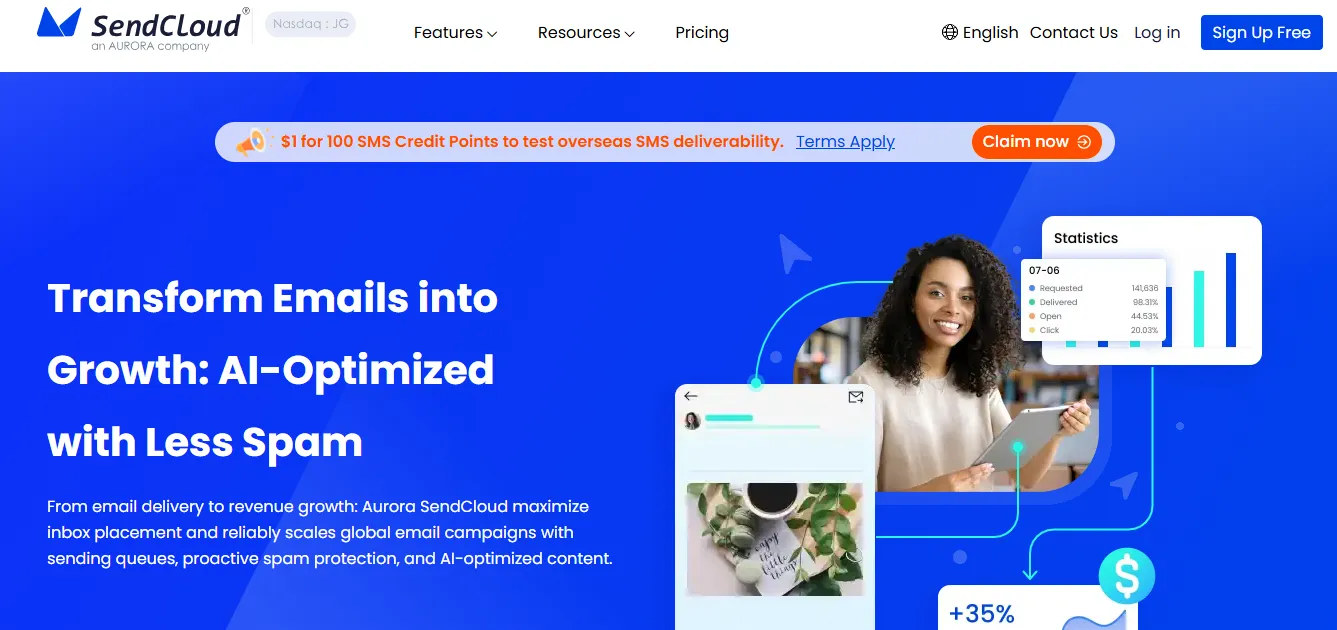
Aurora SendCloud is designed to help business send the right message at the right time. SMS flows with our flexible SMTP and API tools . You can customize everything, run campaigns your way, and deliver messages fast.
Our SMS coverage spans over 200 countries, which means you can reach customers almost anywhere. And our pricing stays simple. You get 50 free emails a day, and you pay only for what you use. No surprises. With transparent,usage-based pricing.
Advantages:
- Easy API and SMTP setup
- Global SMS deliverability
- Predictive AI features for timing and content
- Unified analytics for email + SMS
- Fast message delivery
- Usage-based pricing
Best For: SaaS onboarding, e-commerce reminders, transactional flows, and international communication.
2. Mailchimp: Best for Beginners With Basic SMS Add-Ons
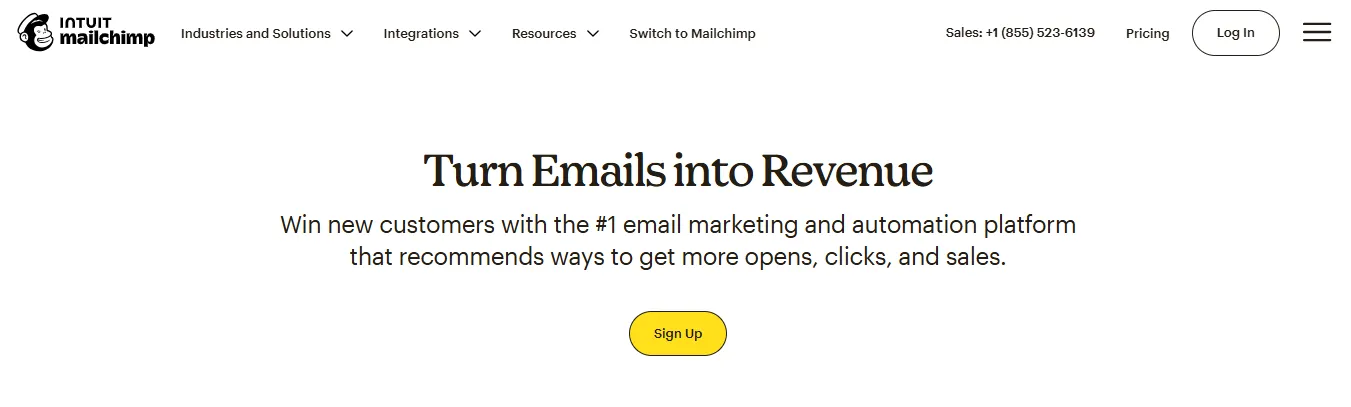
Mailchimp is a popular starter platform. It’s known for its easy drag-and-drop builder and large template library. You can create emails fast and send basic SMS messages using Mailchimp Mobile.
Advantages:
- Over 100 mobile-friendly templates
- Simple automation builder
- Large library of design resources
- Good for beginners
Disadvantages:
- SMS features are limited
- Expensive as your contact list grows
- Automation isn’t very advanced
- Fewer deep omnichannel workflows
Pricing:
- Free plan
- Essentials from $13/month
- Standard from $20–$30/month
- (SMS billed separately)
Best For: Small teams looking for Mailchimp alternatives for SaaS but still wanting simplicity.
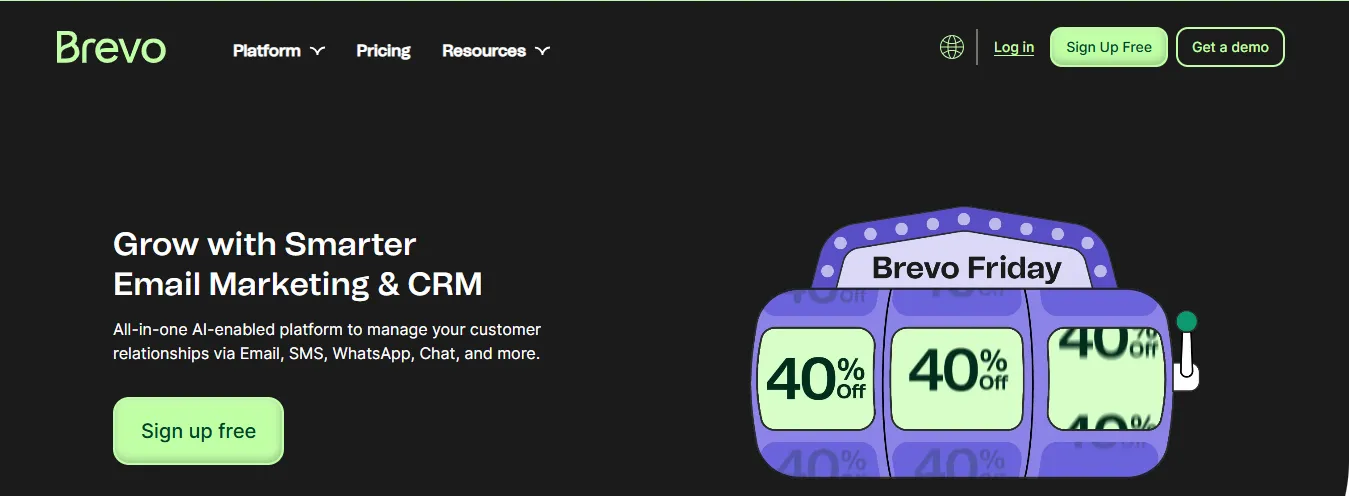
3. Brevo (Sendinblue): Best Budget Omnichannel Option
Brevo is one of the most affordable email and SMS marketing platforms. Some plans include 150–300 free SMS credits, helping small businesses test SMS without spending much.
Advantages:
- Great value for the price
- Free SMS on select plans
- Strong transactional email + SMS combo
- Clean interface
Disadvantages:
- Fewer integrations than big competitors
- Limited advanced automation
- SMS pricing varies widely by country
Pricing:
- Free plan
- Starter from $25/month
- Business from $65/month
Best For: Startups needing transactional email with SMS on a budget.
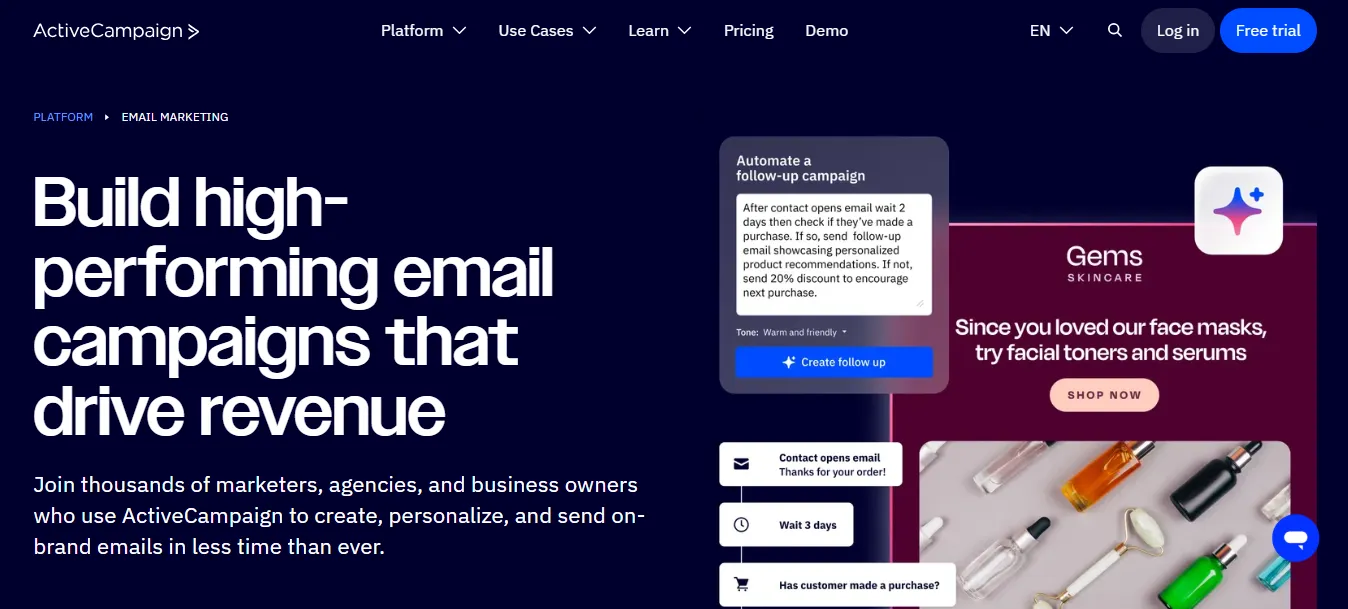
4. ActiveCampaign: Best for SaaS Lead Nurturing
ActiveCampaign focuses on smarter customer journeys. The platform connects CRM data, email, and SMS to create personal experiences. It also uses machine learning to guess the best time to send messages.
Advantages:
- Deep personalization
- CRM + email + SMS in one place
- Predictive sending using machine learning
- Great for long lead-nurture cycles
Disadvantages:
- Harder to learn for beginners
- Gets expensive fast for large lists
Pricing:
- Plus from $49/month
- Professional from $149/month
Best For: SaaS teams that want smarter, more personal workflows.
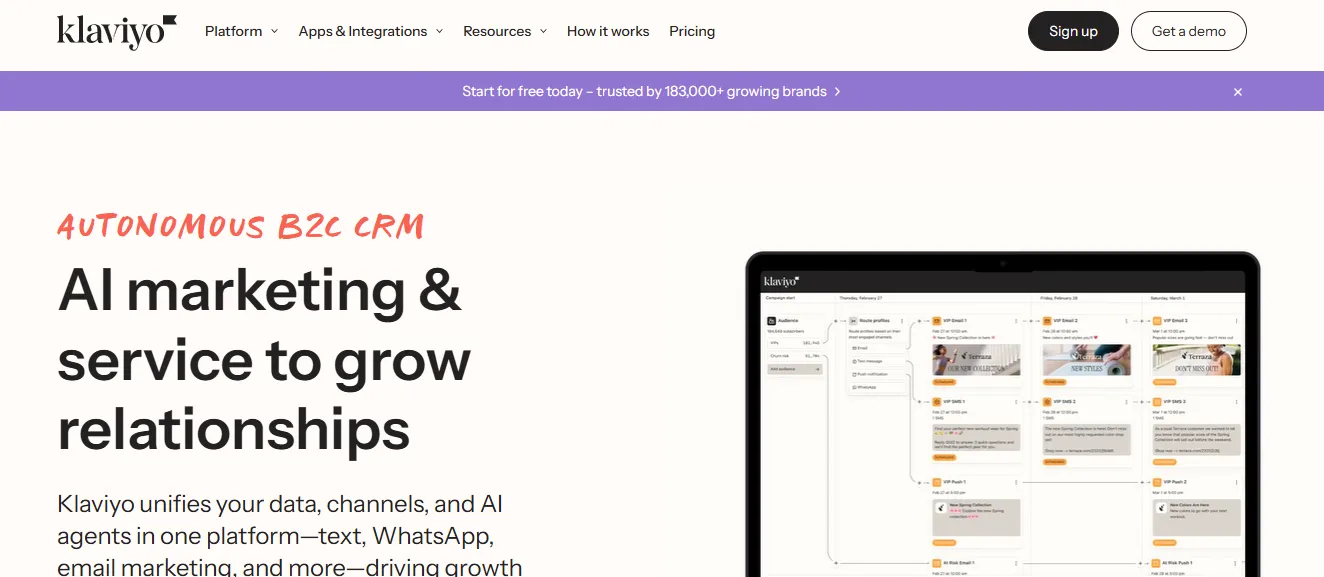
5. Klaviyo: Best for E-Commerce Brands
Klaviyo is built for brands that want to link email, SMS, and store data. It offers ready-made flows like abandoned carts , browse abandonment, and post-purchase messages.
Advantages:
- Amazing e-commerce tools
- Strong Shopify and BigCommerce integrations
- Email + SMS revenue tracking
- Pre-built flows save time
Disadvantages:
- Pricing rises quickly
- SMS costs vary by region
- Not ideal for B2B or SaaS
Pricing:
- Starts around $20/month for email + SMS
Best For: Online stores that want strong sales insights.
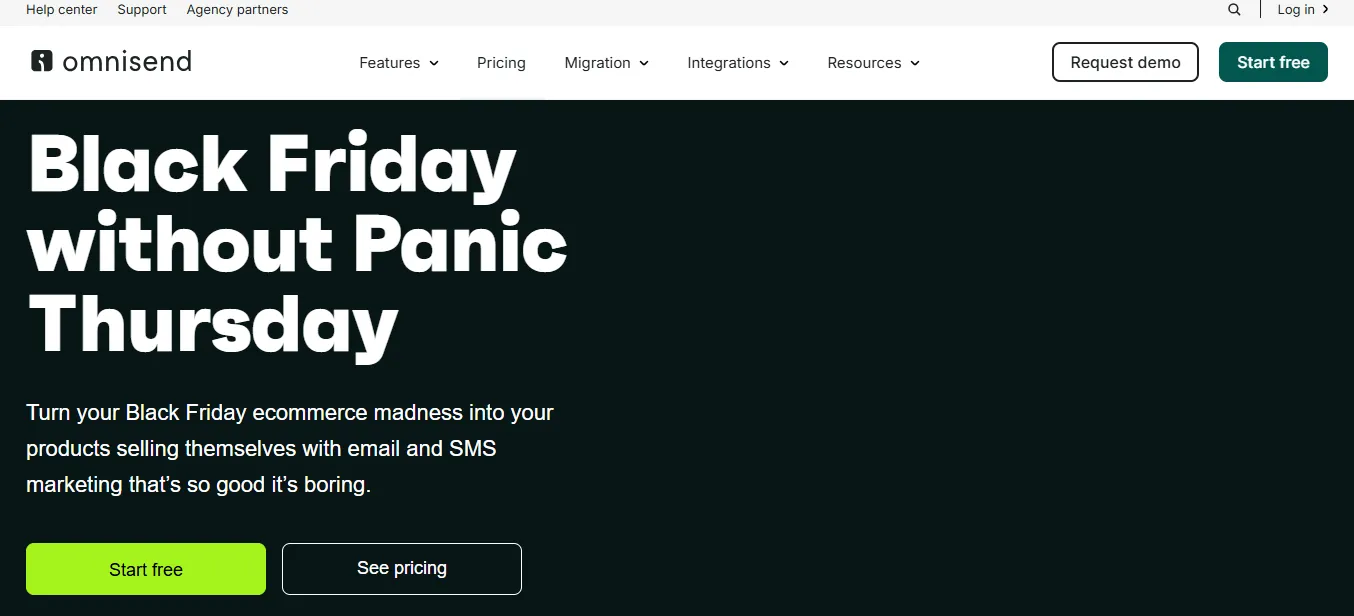
6. Omnisend: Best for SMS-First Campaigns
Omnisend is a favorite for brands that rely heavily on SMS. You can send automatic SMS follow-ups based on email behavior, which is perfect for flash sales or time-sensitive deals.
Advantages:
- Great SMS segmentation
- Simple automation
- Good for fast-paced sales
- Email + SMS in one dashboard
Disadvantages:
- Limited CRM tools
- SMS pricing adds up fast
- Not ideal for deep personalization
Pricing:
- Free plan
- Standard from $16/month
- Pro from $59/month
Best For: Brands that run SMS-heavy promotions.
7. Customer.io: Best for Transactional Messaging
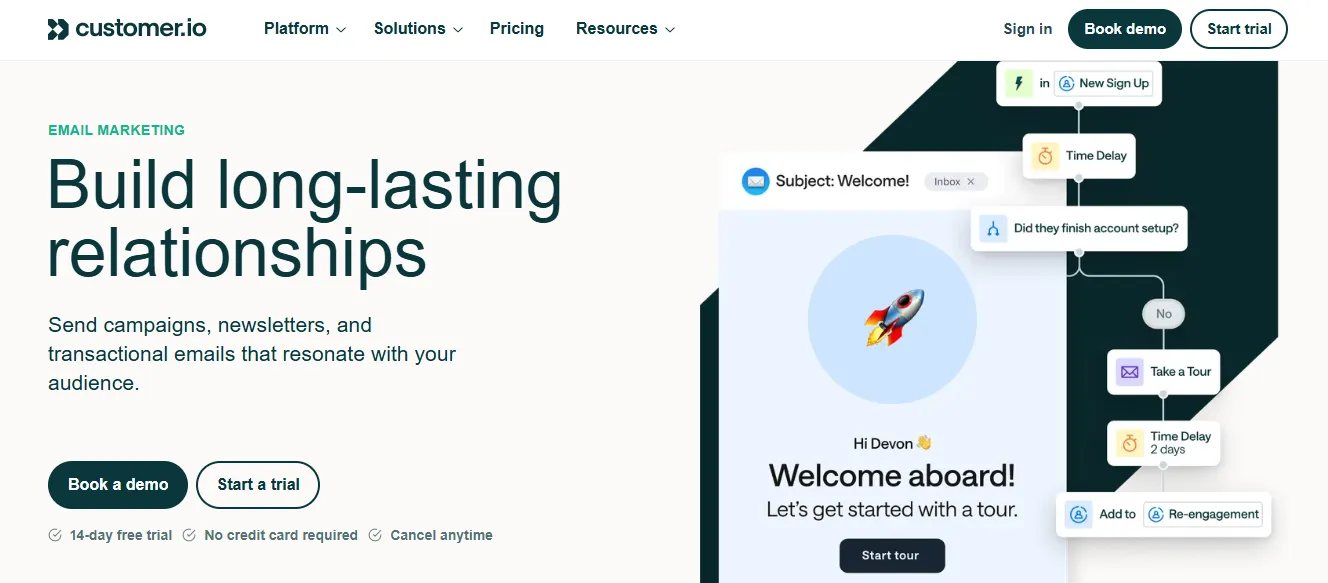
Customer.io is popular with developers and data-driven teams. The platform is event-based, which means you can trigger emails and SMS using real-time actions.
Advantages:
- API-first design
- Very flexible workflows
- Great for product-led SaaS
- Strong event-triggered flows
Disadvantages:
- Requires technical setup
- Can be pricey for large datasets
- Limited beginner tools
Pricing:
- Basic from $100/month
Best For: Apps needing powerful real-time transactional email with SMS.
8. Moosend: Best for GDPR-Compliant Teams
Moosend is ideal if you want strong compliance, especially in Europe. It includes simple consent tools and allows you to manage opt-ins across email and SMS at the same time.
Advantages:
- Built-in GDPR compliance
- Auto-sync for SMS + email opt-outs
- Easy-to-create landing pages and popups
- Clean UI
Disadvantages:
- SMS features aren't as strong as competitors
- Smaller ecosystem of integrations
- Limited advanced automation
Pricing:
- Pro from $9/month
- Enterprise: Custom pricing
Best For: Teams searching for GDPR-compliant email software with basic SMS capabilities.
9.HubSpot: Best All-in-One CRM Solution
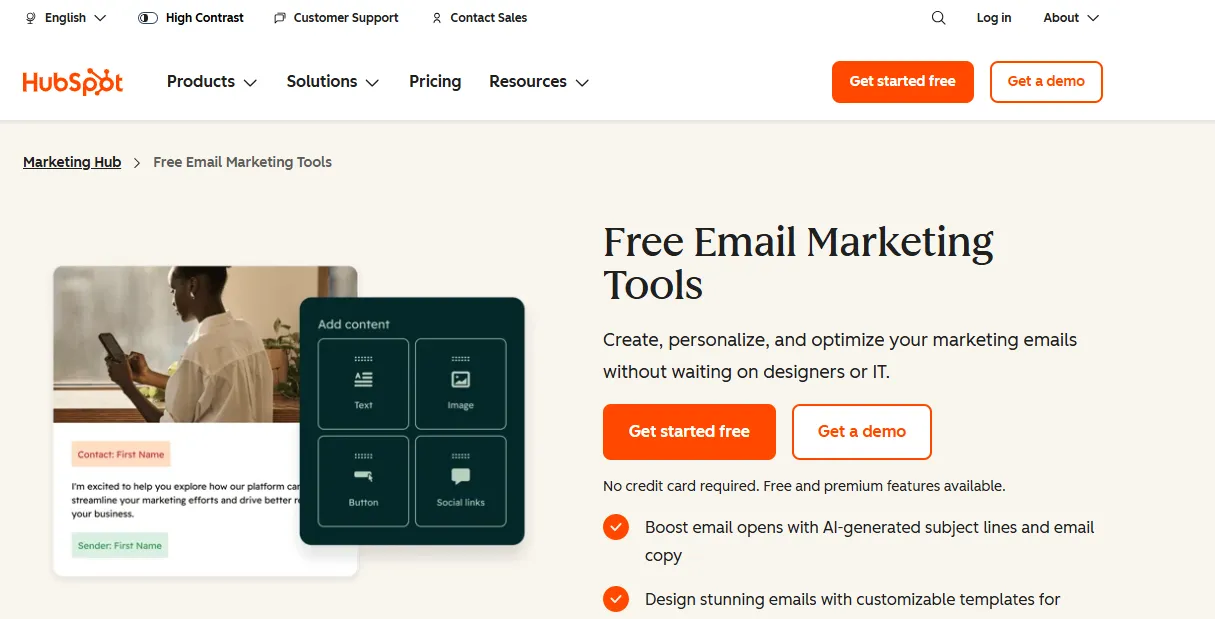
HubSpot offers everything under one roof: email, SMS, CRM, customer support, sales tools, and more. It’s a powerful choice, especially for mid-size or enterprise teams.
Advantages:
- Full CRM visibility
- Strong analytics
- SMS testing before launch
- Deep customer timelines
Disadvantages:
- High pricing
- Complex setup for beginners
- Some SMS features require add-ons
Pricing:
- Starter from $18/month
- Professional from ~$800/month
Best For: Teams that want one platform for marketing, sales, and communication.
10. Twilio SendGrid: Best for Developers
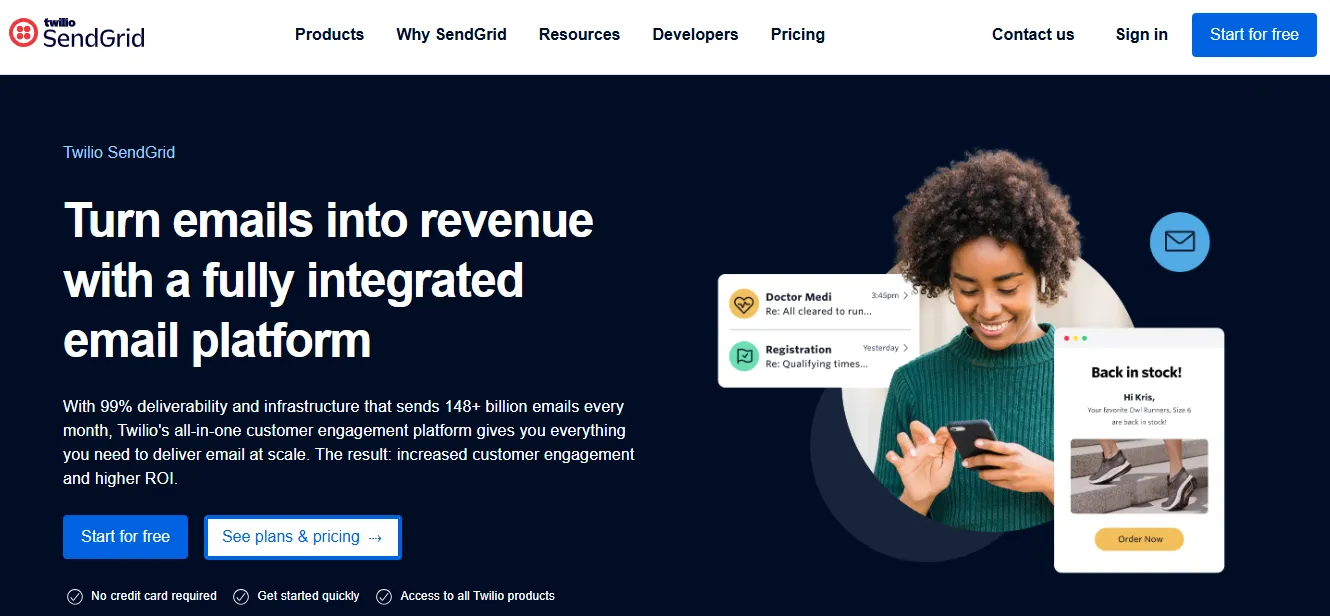
Twilio SendGrid shines when you need full control. It supports massive sending volumes and lets developers build custom email + SMS logic using code.
Advantages:
- Handles 100M+ emails per month
- Extremely customizable APIs
- Strong deliverability
- Flexible workflows
Disadvantages:
- Not ideal for beginners
- SMS billing can be complex
- No built-in CRM or visual automation
Pricing:
- Essentials from $19/month
- Pro from $89/month
- SMS priced separately
Best For: Engineering teams that need flexible, code-based omnichannel systems.
Common Beginner Mistakes to Avoid
Even experienced teams can make common mistakes when they start using email and SMS together. The good news is that most of these problems are easy to prevent once you know what to look for.
- Ignoring local rules: Every market has its own email and SMS laws. Ignoring them can negatively impact deliverability.
- Using separate tools: Running email on one platform and SMS on another creates higher costs and messy customer journeys.
- Skipping warm-ups: New domains need time to build trust. Without warm-up plans, your messages may land in spam.
- Poor list hygiene: Old or inactive contacts drag down performance. Regularly clean your contact to keep results strong.
- Forgetting mobile: Most people read on their phones. If messages don’t look good on mobile, engagement drops fast.
Avoiding these mistakes helps you save money, protect deliverability, and build smoother omnichannel campaigns.
Summary
When you compare all ten platforms, one thing is clear: the future belongs to tools that bring email and SMS together. Customers want smooth, connected journeys, and brands need simple workflows that keep everything in sync. Each platform offers something useful, but only a few truly support full omnichannel growth.
Aurora SendCloud stands out by combing email, SMS, and AI together in a single platform. You get global reach, strong deliverability, clear analytics, and flexible automation without juggling multiple tools. If you’re ready to simplify your stack, boost your engagement, and grow smarter in 2026, take the next step. Start your journey with Aurora SendCloud and build the omnichannel experience your customers deserve.