

An email campaign funnel helps businesses guide people from first contact to final purchase using planned emails. Many marketers send random emails and expect results, but that approach rarely works. You need a clear email funnel that supports the full customer journey.
In this guide, you will learn how an email marketing funnel works, why it matters, and how to build one step by step. We will also explain email automation, email segmentation, and lead nurturing in simple words. If you run an email campaign for your business, this guide will help you improve email conversion and get better results.
What is an Email Marketing Funnel?
An email marketing funnel is a planned system of emails that helps turn visitors into customers. It is a step-by-step approach that aids individuals in various stages of customer journey. You will guide users through helpful messages, as opposed to sending random emails, which may potentially mislead users. When someone becomes a member of your list, an email funnel is often initiated. Then your email campaign delivers valuable information, creates credibility and gradually prompts action.
This is referred to as lead nurturing. Email automation allows businesses to deliver mails at the appropriate time and without manual intervention. Indicatively, on signing up, a person is automatically sent an email of welcome. A strong email marketing funnel includes:
- Clear stages
- Targeted email segmentation
- Timely email automation
- Valuable content
When you use a proper email funnel, you improve email conversion and build better relationships with your audience.
Why an Email Marketing Funnel is Important for Conversions
An email marketing funnel is not just a tool. It is a system that can assist you in relating with other people and make them act. The reason many businesses fail is because they do not think about sending emails. A designed email funnel addresses this issue.
Build Strong Relationships with Leads
An email funnel will aid you in establishing trust over time. You do not start pushing sales. Rather you deliver useful information in your email campaign. This enhances nurturing of the leads and maintains the users. When individuals develop trust in your brand, there are high possibilities that they will purchase. An effective email marketing campaign is a funnel that encourages the entire customer experience and maintains contact with the customer.
Increase Email Conversion Rates
An email funnel gets more email conversions since it delivers the appropriate message at the appropriate moment.You can now use email segmentation in which one message is sent to certain groups rather than the entire group.
For example:
- New users get welcome emails
- Interested users get product details
- Ready buyers get offers
This improves your email campaign performance and helps you get more sales.
Save Time with Email Automation
Email automation allows you to send emails without manual effort. Once you set up your email marketing funnel, it runs automatically.
Benefits of email automation:
- Saves time
- Sends timely messages
- Improves consistency
- Supports lead nurturing
With automation, your email funnel works even when you are not online.
Stages of an Email Marketing Funnel(Full Breakdown)
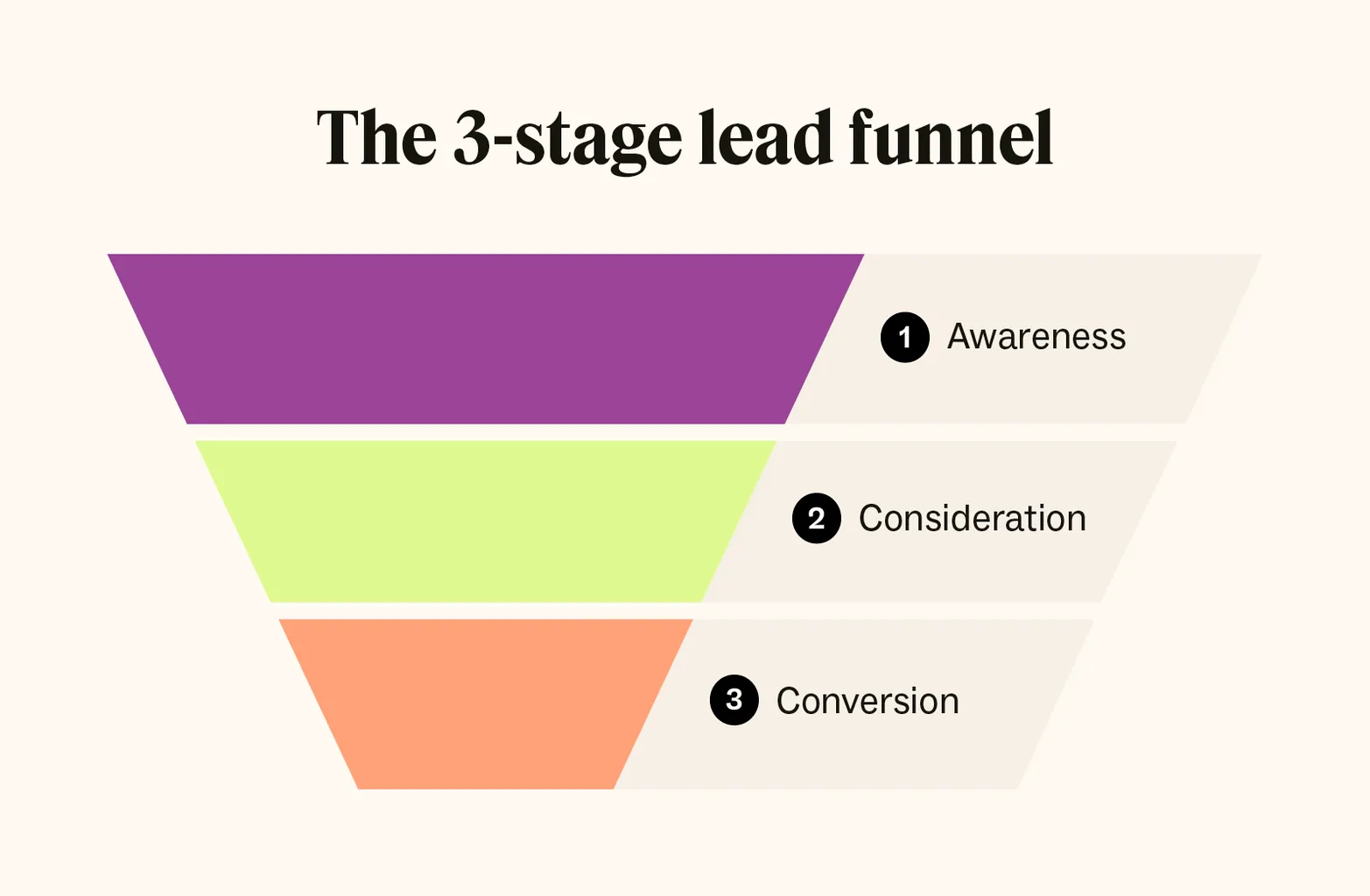
Every email marketing funnel has stages. Each stage supports a part of the customer journey. You must create different emails for each stage.
Awareness Stage (Top of Funnel Strategy)
At this stage, people discover your brand. They may not know your product yet. Your goal is to educate and build trust.
You should focus on:
- Helpful content
- Tips and guides
- Free resources
Your email campaign should not push sales here. Instead, you support lead nurturing by providing value.
Examples:
- Welcome emails
- Blog content
- Free guides
This stage prepares users for the next step in the email funnel.
Consideration Stage (Middle of Funnel Strategy)
At this stage, users compare options. They want to know if your product fits their needs. You should provide:
- Case studies
- Product details
- Customer reviews
Email segmentation plays an important role here. You send different emails based on user behavior.
For example:
- Users who clicked a product link get more product details
- Users who downloaded a guide get related content
This improves email conversion by guiding users closer to a decision.
Decision Stage (Bottom of Funnel Strategy)
At this stage, users are ready to take action. Your goal is to convert them. You should send:
- Discounts
- Limited-time offers
- Free trials
Your email campaign must include strong calls to action. Email automation ensures that these emails reach users at the right time.A well-optimized email marketing funnel increases conversions at this stage.
How to Create an Effective Email Marketing Funnel
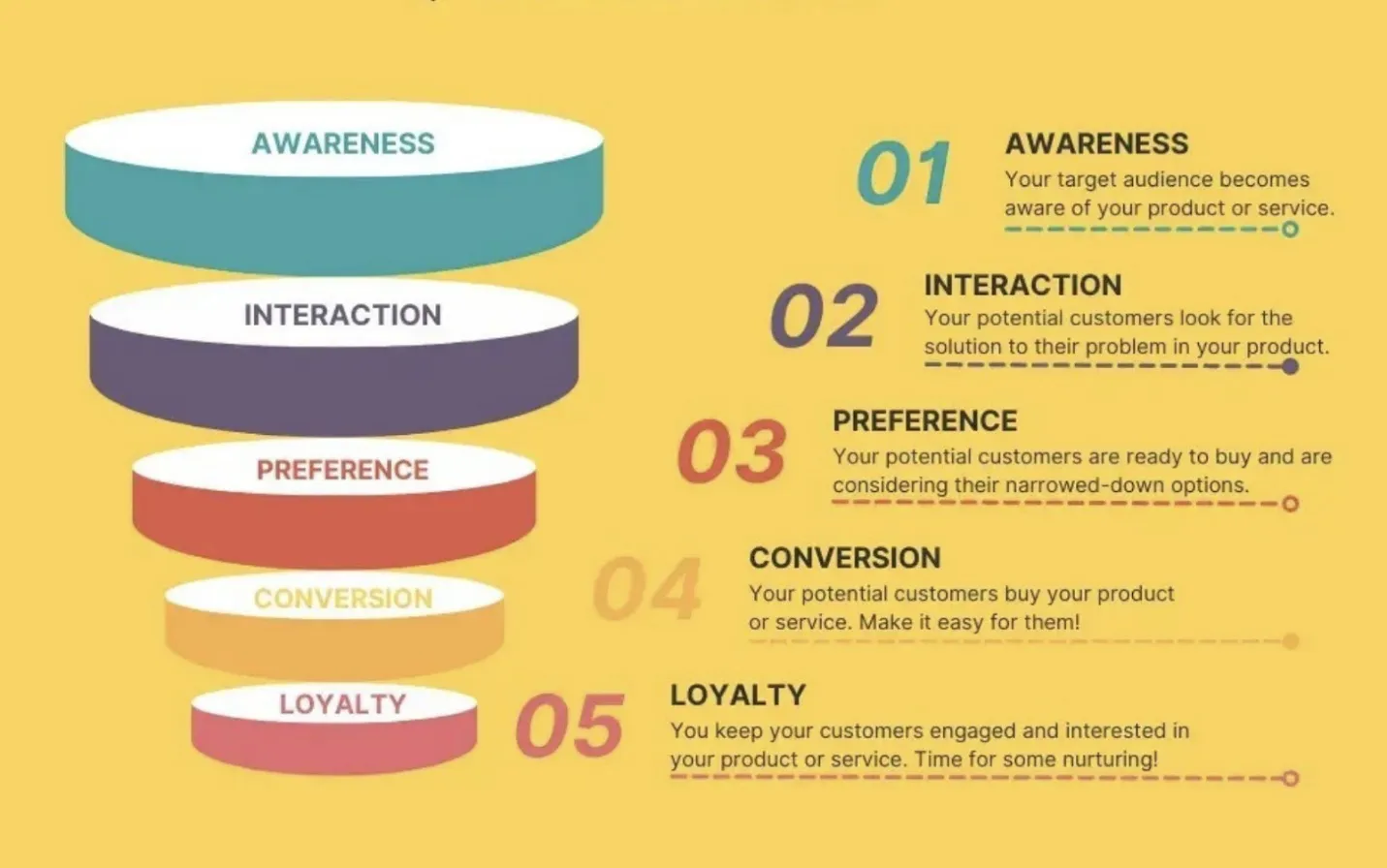
It takes planning to create an email marketing funnel. You need to know your customers and create emails at every level of the customer journey.
Step 1: Define Your Funnel Stages Clearly
Begin with mapping your customer journey. Determine the location of users and their movement to conversion. Ask questions like:
- How are your business found by the users?
- What do they require to know first?
- What makes them decide?
Stages are defined and when you have those stages then you can create a better email funnel. Segment users using email segmentation. This is to enhance the nurturing of leads and enhance your email campaign.
Step 2: Create Content for Each Stage
The gist of your email marketing funnel is content. Stage requires various emails.
Awareness Stage Content:
- Educational emails
- Tips and guides
- Free resources
Consideration Stage Content:
- Product comparisons
- Customer reviews
- Case studies
Decision Stage Content:
- Discounts
- Offers
- Free trials
When you match content with the customer journey, you improve email conversion and engagement.
Step 3: Use Email Segmentation for Better Targeting
Email segmentation helps you send the right message to the right audience. Not all users are the same. You can segment based on:
- Behavior
- Interests
- Purchase history
- Engagement level
Benefits of email segmentation:
- Better personalization
- Higher open rates
- Improved email conversion
When you use segmentation in your email funnel, your email campaign becomes more effective.
Step 4: Set Up Email Automation Sequences
Email automation is essential for any email marketing funnel. It helps you send emails at the right time. Common automated emails:
- Welcome emails
- Follow-up emails
- Abandoned cart emails
Automation supports lead nurturing by keeping communication active. It also ensures that your email campaign runs smoothly. Without email automation, managing a large email funnel becomes difficult.
Step 5: Track and Improve Performance
You must track your email marketing funnel performance. This helps you find what works and what needs improvement.
Important metrics:
- Open rate
- Click-through rate
- Email conversion rate
You should test:
- Subject lines
- Email content
- CTA buttons
Continuous testing improves your email funnel and helps you get better results.
Common Mistakes in Email Marketing Funnel
Most companies develop an email marketing funnel and do not achieve success. This normally occurs due to typical errors.
Sending Too Many Emails
Excessive e-mailing can be irritating. It can result in unsubscribes or spam.Instead:
- Send emails at proper intervals
- Focus on quality over quantity
- Use email automation wisely
A balanced email campaign improves lead nurturing and keeps users engaged.
Ignoring Email Segmentation
If you send the same email to everyone, your email funnel will not work well. Problems of no segmentation:
- Low engagement
- Poor email conversion
- Irrelevant messages
Use email segmentation to target users properly. This improves your email marketing funnel results.
Not Testing Your Emails
Testing is important for any email campaign. If you do not test, you miss improvement chances. You should test:
- Subject lines
- Email layout
- CTA buttons
Regular testing improves your email funnel and helps increase conversions.
Inconsistent Messaging Across Funnel
Your emails should follow a clear and consistent message. If your tone changes too much, users may get confused. To fix this:
- Use a clear brand voice
- Align emails with the customer journey
- Keep messaging simple
Consistency builds trust and supports lead nurturing.
Advanced Tips to Improve Email Funnel Performance
Once you apply your email marketing funnel, then you have to make it work. Minor adjustments to your email campaign, email automation, and email segmentation can amplify engagement, contribute to lead nurturing, and improve overall email conversion outcomes.
Personalize Your Email Campaign
Personalization improves engagement. Use user data to customize emails. Examples:
- Use the user’s name
- Recommend products based on behavior
This increases email conversion and improves your email funnel.
Optimize Timing with Email Automation
Timing matters in an email campaign. Send emails when users are active. Use email automation to:
- Schedule emails
- Trigger emails based on actions
This improves the effectiveness of your email marketing funnel.
Focus on Value in Every Email
Every email should provide value. Do not send emails just to sell. Instead:
- Educate users
- Solve problems
- Build trust
This strengthens lead nurturing and supports long-term success.
Conclusion
An email marketing funnel will assist you in directing the user through the customer process, step by step. It enhances lead nurturing, enhances email conversion, and enhances your email campaign.
Email automation and email segmentation help you to send the right message at the right time. This results into increased involvement and sales. Today you can begin to create your email funnel based on this guide. Or use a powerful platform such as Aurora SendCloud to control your email automation and achieve better results. Make sure you measure performance and continue honing your email marketing funnel to achieve improved outcomes.