
It is a common debate about the right email length to consider in email marketing. However, the answer to this is not as simple as choosing between short or long emails.
The truth is that both long emails and short emails serve different purposes. The right choice depends on your goal, your audience, and the context in which the email is being read.
Shorter emails often perform better for quick actions. Emails with 50 to 125 words typically have a 50% better response rate. On the other hand, longer emails work well for storytelling and education.
Here we will learn how to use both formats effectively, improve email engagement, and apply smart email writing tips to build a stronger email marketing strategy.
Short Emails Are Fast, Focused, and Built for Quick Action
Short emails are typically between 50 and 200 words. Even emails with about 80 words usually have better response rate. They focus on a single message and include one clear call-to-action. These emails are designed to be read quickly, often within seconds, especially on mobile devices.
Why Short Emails Work?
One of the biggest advantages of short emails is low reading effort. When an email is easy to scan, readers are more likely to finish it. They also reduce decision fatigue. A single CTA makes it easier for users to take action without overthinking.
Short emails are especially effective in mobile-first environments. As approx. 46% of total emails are now opened using mobile devices, therefore, clarity has become important than ever.
Where Short Emails Fall Short?
While short emails are efficient, they are not always enough. They offer limited space for explanation. If your product or service requires context, a short format may leave users confused.
They are also less effective for storytelling. Building emotional connection and trust often requires more content.
Best Use Cases for Short Emails
Short emails work best when the goal is immediate action. Common examples include:
- Transactional emails like OTPs and confirmations
- Flash sales and limited-time offers
- Reminder emails such as abandoned cart messages
- Simple updates or announcements
In these cases, keeping the email length short improves clarity and response time.
Long Emails: Depth, Context, and Trust-Building
Long emails are typically 300 words or more. They focus on explaining ideas, telling stories, or providing detailed information. These emails often include sections, headings, and sometimes multiple CTAs.
Why Long Emails Are Valuable?
Long emails give you space to explain your message clearly. This is important for complex products or services. They also help build trust. When you provide useful information, readers see your brand as more credible. Longer emails can increase response rates in certain contexts. This is especially true in sales and outreach.
Potential Drawbacks of Long Emails
The biggest challenge with long emails is attention span. Not all readers will finish the email. They also require strong writing. Poor structure or unclear messaging can quickly lose the reader's interest.
Without proper formatting, long emails can feel overwhelming, especially on mobile screens.
Best Use Cases for Long Emails
Long emails are ideal when you need to explain, educate, or build relationships. Examples include:
- Welcome and onboarding email sequences
- Educational newsletters
- Product deep dives
- Thought leadership content
In these cases, longer email length helps create stronger engagement over time.
Long Emails vs Short Emails: Key Differences in Email Marketing Strategy
Choosing between long emails and short emails is not about preference. It is about strategy. The right choice depends on what you want your audience to do and how much information they need before taking action.
Goal
Short emails are designed to drive quick actions like clicks or replies. Long emails focus on building understanding and trust. If your goal is immediate response, shorter formats work better. On the other hand, long-form emails are more effective for nurturing leads over time.
Information Density
Short emails focus on one key message. Long emails can cover multiple ideas or provide detailed explanations. This makes long emails more suitable when you need to educate users or explain complex offers before expecting a decision.
Funnel Stage
In most email marketing strategy plans:
- Bottom-of-funnel emails are shorter
- Top- and mid-funnel emails are longer
This is because early-stage users need more information before making decisions. Users' need for detailed content decreases when they move closer to conversion. This is making shorter emails more effective for final actions.
Reading Context
Short emails work well in busy environments, especially on mobile devices. Long emails require more attention and are better suited for readers who are already interested. The context in which your audience reads emails should guide your choice of email length.
How to Choose the Right Email Length for Your Audience and Goals?
There is no perfect email length that works for every situation. Instead, you need to make decisions based on context.
1. Define Your Goal
Ask yourself what do I want the reader to do?
- Click a link: Use short emails
- Learn something: Use long emails
2. Consider User Intent
If users need more information before acting, a longer email makes sense. If the action is simple, keep it short.
3. Understand Your Audience
Different audiences prefer different styles. Busy professionals may prefer short emails, while engaged subscribers may appreciate detailed content.
4. Test and Learn
A/B testing is a key to improving your email marketing strategy. You should experiment and perform tests based on
- Short vs long formats
- Different structures
- CTA placement
Use data to guide your decisions.
5. Optimize for Devices
Email structure matters because many users read emails on mobile. Even long emails should be easy to scan with clear sections and spacing. Refer to email device usage insights for best practices.
How Aurora SendCloud Helps Optimize Email Length for Better Results?
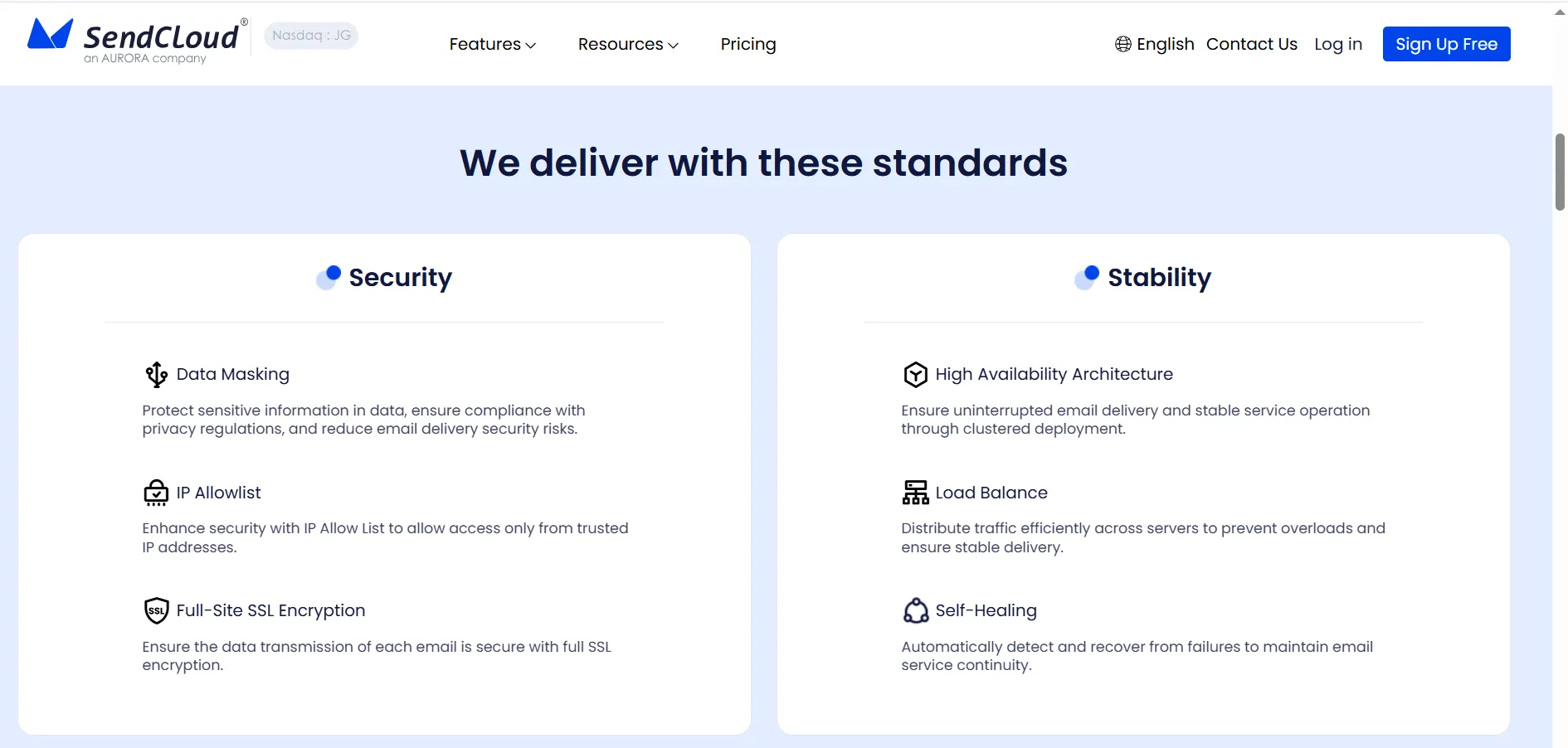
Aurora SendCloud provides tools that support both long emails and short emails effectively.
Email Delivery
The platform handles delivery efficiently, whether you send 50 or 50,000 emails. This helps maintain consistent performance regardless of email length.
Segmentation and Personalization
Aurora SendCloud allows you to segment your audience based on behavior and preferences. This means you can send short emails to one group and long emails to another, improving email engagement.
A/B Testing
You can test different versions of emails to see which length performs better. This helps refine your email marketing strategy based on real data. Learn more about email testing steps and tools.
Scalability and Efficiency
The platform supports large campaigns without affecting performance. This makes it easier to experiment with different formats and improve your email best practices over time.
Conclusion
The choice between long emails and short emails is not about which one is better. It is about using the right format for the right situation. Short emails work best for speed, clarity, and quick actions. Long emails are better for building trust, explaining ideas, and creating deeper engagement.
You can optimize your email length and improve overall email marketing performance. This can be done by applying smart email writing tips, testing different approaches, and using tools like Aurora SendCloud.
Overall, the best strategy to define the email length in your email marketing is simple. You should match your message to your audience, and let your goals guide your format.