

Have you ever sent a blast email to thousands of people and still saw poor open rates? It happens more often than most marketers admit. You put effort into your campaign, hit send, and expect results… but instead, you get low clicks and rising unsubscribes.
The truth is simple: not all mass emails work the same way. A blast email treats everyone the same, while a bulk email focuses on targeting and relevance.
In this guide, I’ll break down blast email vs bulk email in simple terms and show you how email personalization can turn average campaigns into high-performing ones. You’ll also learn practical email marketing best practices you can apply right away.
What Is Blast Email and Bulk Email?
You should know how blast email and bulk email functions before deciding which strategy to adopt. They may be confused with each other by many people. This brief definition will demystify the situation and lay the correct groundwork.
Blast Email Definition: What It Really Means
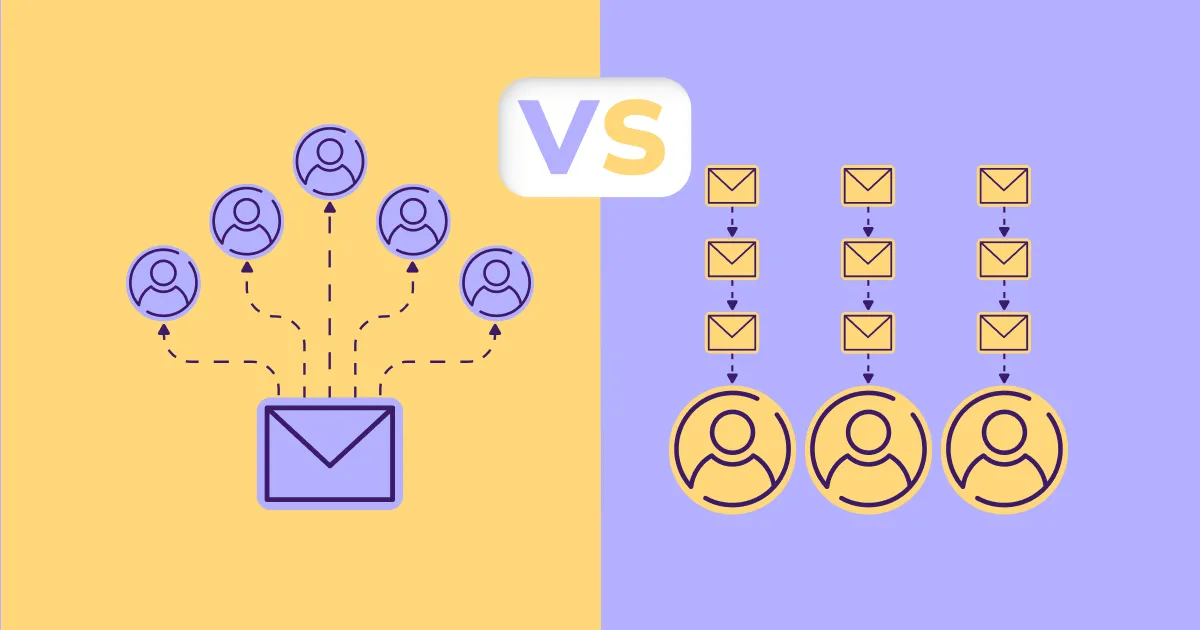
A blast email is a mass message that is dispatched to a huge list without any form of segmentation or personalization. You compose a single email and send it to all simultaneously.
A blast email is usually sent out by marketers in the form of announcement, sales promotion or company updates. It is simple and sounds so easy but it has actual problems.
That results in a lack of engagement, increased spam complaints, and low email delivery rates. I’ve seen this happen many times. The same offer is sent to new subscribers, old customers, and inactive users by a business.
The result? Poor opening and ruined sender reputation. That is where such tools as Aurora SendCloud can be of assistance. They demonstrate to you which campaigns act as a blast email and accentuate the problems that influence email delivery.
Bulk Email Definition: A Smarter Approach
Bulk email still entails sending emails in masses but it incorporates segmentation and personalization. You do not send a single message to all people but different versions to various groups.
In my experience, a blast email never works as well as bulk email. The personalization of emails can make email delivery and interaction even better by small adjustments.
Aurora SendCloud enables you to use segmentation, automation, and personalization on large-scale campaigns. This is what makes bulk email more effective.
Blast Email vs Bulk Email: Key Differences & When to Use Each
This is where the majority of marketers are lost. They believe that Blast email and bulk email are synonymous. They don’t. We will deconstruct it to make sure you select the appropriate method to use.
Audience Targeting: Broad vs Segmented
A blast email targets everyone on your list. It doesn’t care who the user is or what they want.
Bulk email works differently. It divides your audience into segments. You send different messages to each group based on their behavior or preferences.
For example, you might send:
- A welcome email to new subscribers
- A discount offer to repeat buyers
- A reminder to inactive users
This simple shift improves email delivery because people engage more with relevant content.
Personalization Level: Generic vs Data-Driven
A blast email usually includes little or no email personalization. At best, it may add a name field.
Bulk email goes much further. It uses dynamic content, behavior triggers, and user data.
You can personalize:
- Product recommendations
- Email timing
- Subject lines
- Content blocks
When you use email personalization properly, you create messages that feel relevant instead of generic. I’ve tested this many times. Even basic personalization can increase open rates and clicks without changing the core offer.
Engagement & Email Delivery: Risk vs Stability
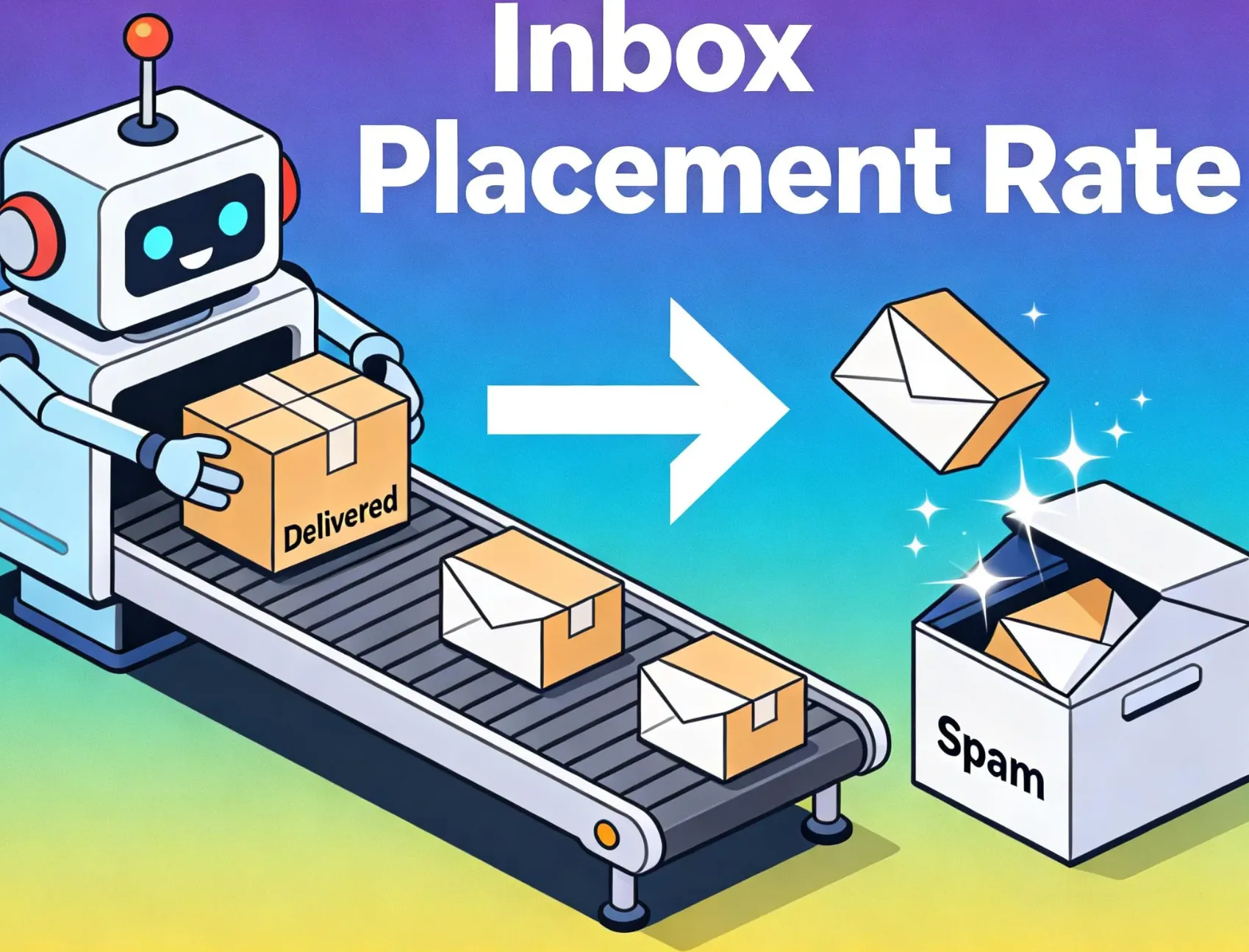
A blast email often leads to low engagement. When users ignore your emails, email providers notice. Over time, your emails land in spam folders.
Bulk email protects your email delivery. When users open, click, and interact, your sender reputation improves. This is one of the biggest differences between blast email vs bulk email. One damages your results, while the other supports long-term growth.
Use Cases: When to Use Blast vs Bulk Email
A blast email still has some use cases, but they are limited.
Use a blast email when:
- You need to share urgent news
- You send company-wide announcements
- Personalization is not required
Use bulk email when:
- You run marketing campaigns
- You send product recommendations
- You build customer journeys
- You want better email delivery and engagement
In most cases, bulk email is the better choice.
2026 Best Practices for Bulk Email
Email marketing keeps changing, and 2026 brings new expectations. If you still rely on a basic blast email strategy, you will fall behind. Let’s look at what works now.
AI-Driven Email Personalization
AI helps you analyze user behavior and predict what people want. It allows you to send better content without guessing.
You can use AI to:
- Suggest products
- Write subject lines
- Adjust content based on behavior
This improves email personalization and supports stronger email delivery.
Predictive Send-Time Optimization
Timing matters more than you think. Sending emails at the wrong time can reduce open rates.
Modern tools analyze when each user checks emails. Then they send messages at the best time for that user. This small change can improve engagement without changing your content.
Interactive Emails (AMP, Polls, Actions)
Static emails feel outdated. Interactive elements make your emails more engaging.
You can include:
- Polls
- Surveys
- Product carousels
- Clickable actions
These features keep users engaged and improve email delivery signals.
Privacy-First Data Usage
Users care about privacy. You need to respect it.
Focus on:
- Clear consent
- Transparent data usage
- Easy unsubscribe options
Good privacy practices improve trust and reduce complaints.
How Aurora SendCloud Helps
Aurora SendCloud helps you apply these email marketing best practices in a practical way without adding extra complexity to your workflow.
It lets you segment your audience with ease, automate campaigns based on user behavior, and keep a close eye on email delivery performance.
You can also track opens, clicks, and engagement in real time, so you can quickly adjust your bulk email strategy using clear, data-driven insights.
Common Beginner Mistakes to Avoid
Email results are a challenge to many marketers since they continue to use old habits or guesses rather than using data. Even minor errors can impact engagement, email delivery, and even your sender reputation.
The best thing is that most of these problems can be corrected once they are detected. When you want to achieve the same outcome of your campaigns, it is necessary to know the things to avoid when you are going to scale your blast email or bulk email campaign.
1. Sending Blast Email to Unsegmented Lists
This is the biggest mistake.
When you send a blast email without segmentation:
- Users ignore your emails
- Your email delivery drops
- Spam complaints increase
Always segment your audience when possible.
2. Ignoring Email Personalization
If you do not use email personalization, your emails feel generic.
Simple personalization tips:
- Use the user’s name
- Recommend relevant products
- Send based on behavior
Email personalization improves engagement and supports better email delivery.
3. Not Optimizing for Mobile
Most users check emails on mobile devices.
If your email:
- Loads slowly
- Looks broken
- Has small text
Users will leave quickly.
Mobile-friendly design is a key part of email marketing best practices.
4. Skipping A/B Testing
Testing helps you improve your campaigns.
You should test:
- Subject lines
- Email content
- Send times
A good bulk email strategy always includes testing.
5. Poor List Hygiene
A clean email list improves your results.
Remove:
- Inactive users
- Invalid emails
- Spam traps
This improves your email delivery and protects your sender reputation.
6. Ignoring Metrics
You must track performance to improve.
Key metrics:
- Open rate
- Click rate
- Bounce rate
- Unsubscribe rate
Without tracking, you cannot improve your blast email strategy or bulk email campaigns.
Conclusion: Why Bulk Email Wins in 2026
Here’s the simple truth: blast email still exists, but it rarely works well in modern marketing. It treats everyone the same and often leads to poor email delivery.
Bulk email, on the other hand, focuses on relevance. It uses segmentation, automation, and email personalization to connect with users. That’s why it performs better and protects your sender reputation.
If you want to stay ahead in 2026, you need to follow email marketing best practices. Focus on personalization, timing, and user behavior. Keep your campaigns relevant and your data clean.
Aurora SendCloud makes this process easier. It helps you manage bulk email campaigns, improve email delivery, and apply advanced strategies without complexity.
If you’re ready to improve your results, start building smarter campaigns today.