

Customer retention has become one of the most important goals for modern businesses. It is more expensive to acquire a new customer than retain an existing one. This is why many brands are now putting more emphasis on email retention campaigns than on just generating new leads. A well-designed e-mail marketing campaign can help businesses keep in touch with clients after the initial purchase or signup. This guide outlines how to create successful email retention initiatives, types of campaigns, best practices, methods for measuring and how to use tools such as Aurora SendCloud to improve success.
What Are Email Retention Campaigns?
Email retention campaigns are a series of emails that are directed toward customers who have come into contact with the business for the first time or purchased a product from the business. They help businesses to build on their relationships, get repeat orders and enhance the value of their customers through the continuity and relevance of communication.
Understanding Email Retention Campaigns in Lifecycle Marketing
Email retention campaigns are emails which seek to maintain customer engagement and activity with a brand. Focus is on strengthening the long-term customer relationship, rather than acquisition. Lifecycle marketing is about reaching out to customers at various stages of their lifecycle. A business can send a welcome email to new users, educational email to active users and a win-back campaign to inactive customers.
Retention Emails vs Promotional Emails
Customer retention emails are often confused with promotional emails. But, they're used for different things. Retention emails are designed to foster trust and ongoing interaction. These emails might contain such things as:
- Product tutorials
- Helpful tips
- Customer support guidance
- Loyalty rewards
- Feedback requests
- Re-engagement reminders
A strong email retention campaign balances sales content with customer value.
Why Retention Matters for Business Growth
Retention marketing usually costs less than customer acquisition. Existing customers already know the brand and are more likely to buy again.
Businesses that improve retention often see:
- Higher repeat purchases
- Better customer satisfaction
- Stronger brand loyalty
- Lower churn rates
- More stable revenue
A lot of brands are using a reduce churn email strategy to ensure customers do not desert. Any improvements you can make to retention can help boost the value of the customer over time.
Email as a Long-Term Relationship Channel
Email continues to be one of the most effective ways of communicating for a business. As opposed to social media sites, companies have the control of their email lists and communication strategy. A good email delivery also means that the brand will be able to reach customers directly, without relying on changing algorithms. Customers will be more inclined to keep in touch with the brand when emails are timely and informative.
Key Objectives of Email Retention Campaigns
Email retention campaigns are employed by businesses to ensure that they remain connected with their customer base and to keep them on the journey. These campaigns are more about getting engaged and repeat customers and to minimize lost customers while generating trust and value in the long run.
Keep Customers Engaged
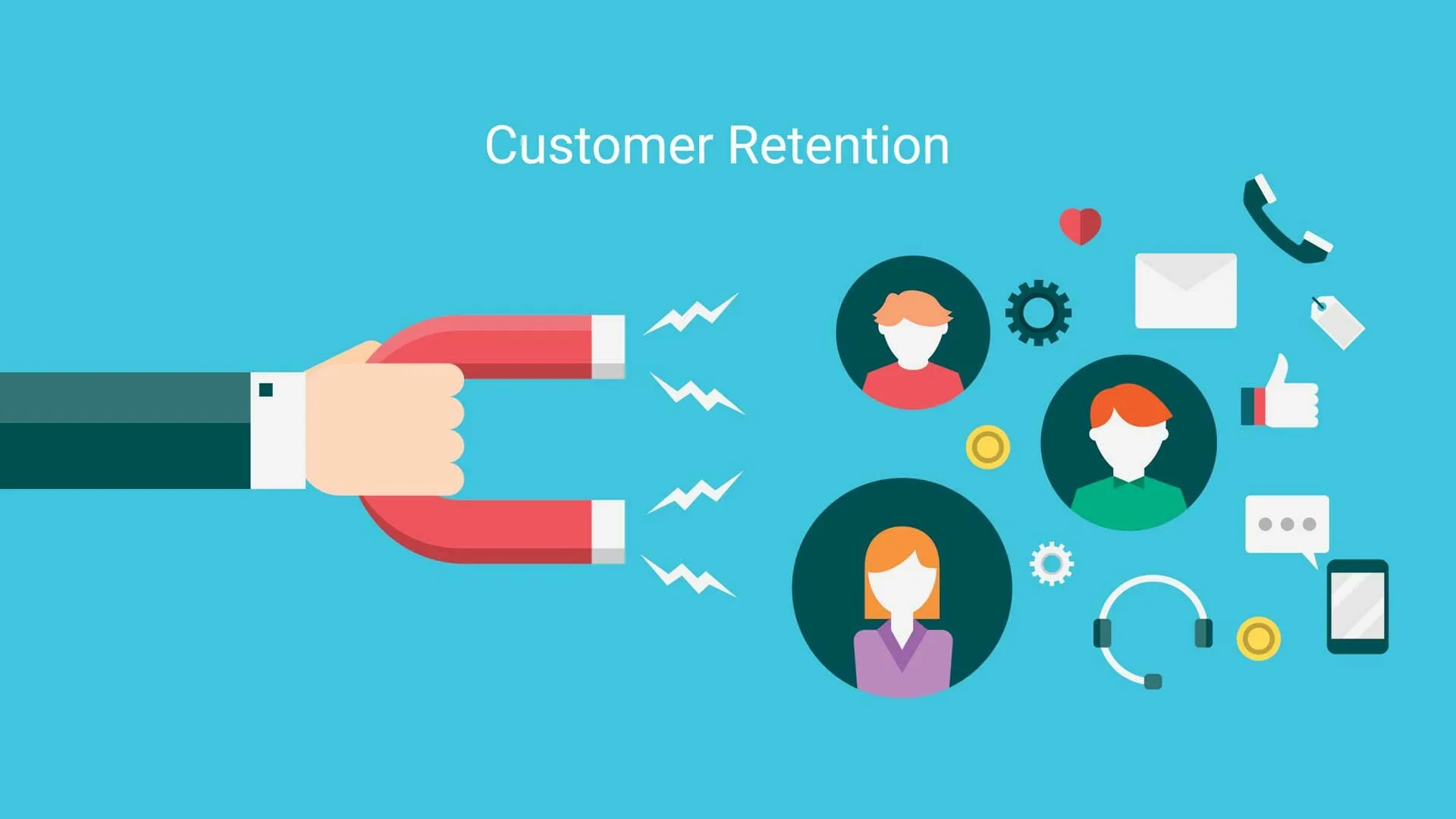
The main goal of email retention campaigns is to maintain customer engagement. Frequent communication keeps the product, service or brand in the mind of the user. An educational e-mail campaign can educate customers on how to use features, find out new products or fix common problems.
Encourage Repeat Purchases
Rental fees of repeat customers are usually higher than those of first-time customers. Customer retention emails are used to remind businesses to make more purchases and use products.
Examples include:
- Product recommendations
- Refill reminders
- Personalized offers
- Restock notifications
- Subscription renewal reminders
These strategies help increase customer lifetime value while improving customer satisfaction.
Reduce Customer Churn
Customer churn happens when users stop buying or cancel subscriptions. A properly timed reduce churn email can help businesses reconnect with disengaged users before they leave completely.
For example, a company may send:
- Inactivity reminders
- Feature update emails
- Special discounts
- Feedback requests
- Personalized recommendations
A successful win-back campaign is likely to re-engage customers who have had problems.
Build Trust and Brand Loyalty
Trust is important in keeping customers. Companies that send customers retention emails that prove to be valuable with regularity will create deeper emotional bonds with users. The successful loyalty email program provides rewards to customers for their ongoing support and value to them.
Main Types of Email Retention Campaigns
By knowing the various types of email retention campaigns, companies can determine what email message to send and when. There are different types of campaigns with a specific objective for maintaining the customers' engagement and connection with the brand throughout their journey.
Onboarding and Welcome Emails
Welcome emails are often the first step in successful email retention campaigns. They meet new users and provide an explanation of how to get started.
These emails should:
- Explain product benefits
- Share setup instructions
- Highlight important features
- Offer customer support options
Good onboarding improves activation rates and helps customers reach early success quickly.
Engagement Emails
Engagement emails keep users active after onboarding. These messages provide useful content that helps customers continue using the product or service.
Examples include:
- Product tutorials
- Industry tips
- Feature updates
- Educational guides
- Customer success stories
A consistent email campaign focused on customer education helps maintain long-term engagement.
Re-engagement Emails
Inactive customers may still return if businesses contact them at the right time. Re-engagement emails are designed to restart communication.
A typical win-back campaign may include:
- "We miss you" emails
- Limited-time offers
- Product updates
- Personalized recommendations
- Survey requests
A targeted reduce churn email can improve retention without large advertising costs.
Loyalty and Rewards Emails
A loyalty email program rewards repeat customers and encourages continued purchases.
These emails may promote:
- Loyalty points
- VIP membership benefits
- Early product access
- Birthday rewards
- Referral bonuses
Reward-based customer retention emails often help businesses increase customer lifetime value.
Post-Purchase and Follow-Up Emails
The customer relationship should continue after the purchase. Post-purchase emails help reinforce satisfaction and encourage future engagement.
Common examples include:
- Order confirmation emails
- Product usage tips
- Review requests
- Cross-sell recommendations
- Customer support follow-ups
These messages also improve email delivery engagement metrics because customers expect transactional communication.
How to Build Effective Email Retention Campaigns
Creating successful email retention campaigns involves establishing a strategy that addresses customer behavior, timing and value. Customers' needs have to be known to businesses, and they have to be able to send messages that are relevant to them and that will make them stay with the company over time.
Segment Customers Properly
One of the key components of effective email retention campaigns is customer segmentation.
There are 3 ways businesses can segment users:
- Purchase history
- Browsing behavior
- Location
- Lifecycle stage
- Customer interests
- Product usage
Better segmentation allows companies to send more relevant customer retention emails.
Use the Right Triggers
Automated triggers help businesses send emails at the correct moment.
Common triggers include:
- Account creation
- Product purchase
- Cart abandonment
- Subscription renewal
- Inactivity periods
- Milestone achievements
Behavior-based triggers improve engagement because the message matches customer actions.
Create Value-Driven Content
Customers stay subscribed when emails provide useful information. Every email campaign should focus on helping the user instead of only promoting products.
Helpful content may include:
- Tutorials
- Troubleshooting tips
- Product guides
- Industry insights
- FAQs
- Case studies
Educational emails often improve trust and support long-term loyalty.
Personalize Email Content
Personalization makes emails feel more relevant. Businesses can personalize content using customer data and behavior.
Examples include:
- Using customer names
- Recommending products
- Showing personalized offers
- Sending behavior-based reminders
Personalized customer retention emails often perform better than generic campaigns.
Match Email Messaging with Customer Experience
Email content should match the website, mobile app, or product experience. Customers become confused when messaging is inconsistent.
For example:
- Discount offers should match website pricing
- Product recommendations should reflect browsing history
- Support emails should connect with recent customer actions
Consistent messaging supports stronger email delivery performance and customer trust.
Best Practices for High-Performing Retention Emails
To craft effective customer retention emails that drive engagement, increase open rates, and foster customer retention, businesses must employ proven strategies that have been found to enhance their overall performance. These practices will assist in making each and every email promoting more effective and customer-focused.
Maintain a Balanced Sending Frequency
Sending too many emails may annoy customers. Sending too few may reduce engagement. Businesses should create a regular schedule for email retention campaigns without overwhelming subscribers.
The right frequency depends on:
- Industry type
- Customer behavior
- Purchase cycles
- Product usage patterns
Focus on One Main Goal
Each email campaign should have one clear purpose.
Examples include:
- Completing onboarding
- Renewing subscriptions
- Leaving a review
- Joining a rewards program
- Returning to the platform
Too many calls-to-action can reduce click rates.
Write Clear Subject Lines
Subject lines strongly influence open rates. Good subject lines clearly explain the value of the email.
Examples:
- "Complete Your Setup in 3 Steps"
- "Your Loyalty Rewards Are Ready"
- "We Added New Features You May Like"
Simple language often works better than overly creative wording.
Optimize Emails for Mobile Devices
Most users now read emails on smartphones. Businesses should optimize customer retention emails for mobile viewing.
Important mobile optimization steps include:
- Short paragraphs
- Large buttons
- Readable font sizes
- Fast-loading images
- Clear CTA placement
Good mobile design also improves overall email delivery engagement.
Test and Improve Regularly
Continuous testing helps improve performance over time.
Businesses should test:
- Subject lines
- CTA buttons
- Email timing
- Personalization
- Layout design
- Content length
A/B testing can reveal which strategies help increase customer lifetime value more effectively.
Measuring the Success of Email Retention Campaigns
It's crucial to gauge the effectiveness of email retention efforts to see what's working and what isn't. It allows businesses to monitor customer activity, gauge engagement, and assess how effective their email marketing efforts are in fostering customer loyalty.
Track Engagement Metrics
The engagement metrics can be used to glean insights into customer interaction with emails.
Key metrics include:
- Open rate
- Click-through rate
- Conversion rate
- Bounce rate
- Unsubscribe rate
Strong engagement usually indicates successful email retention campaigns.
Measure Customer Behavior
Behavioral metrics provide deeper insight into customer actions after receiving emails.
Businesses should monitor:
- Repeat purchases
- Feature usage
- Subscription renewals
- Referral activity
- Activation rates
These actions help determine whether the email campaign is improving retention.
Monitor Churn and Lifetime Value
Retention business organizations use the churn rate and Customer Lifetime Value as metrics to monitor. A robust reduce churn e-mail marketing campaign can help decrease cancellations and enhance repeat business. Customer lifetime value is the measure of the amount of revenue that a customer brings in over time. Improved retention tends to have a substantial impact on customer lifetime value.
Use Data for Continuous Improvement
Email marketing should never remain static. Businesses should regularly review campaign data and improve performance based on insights.
Important improvement steps include:
- Updating segmentation rules
- Adjusting automation timing
- Improving personalization
- Removing inactive subscribers
- Improving email delivery
Data-driven improvements often produce stronger long-term retention results.
How to Use Aurora SendCloud for Better Email Retention Campaigns
Aurora SendCloud helps businesses manage and optimize email communication for customer retention. The platform supports automation, segmentation, analytics, and email delivery management that can improve campaign performance.
Email Campaign Management
Businesses can use Aurora SendCloud to organize and automate retention workflows.
The platform supports:
- Automated onboarding sequences
- Promotional email scheduling
- Trigger-based messaging
- Bulk email management
- Personalized campaign creation
A structured email campaign workflow helps businesses maintain consistent communication with customers.
Advanced Segmentation and Personalization
Audience segmentation plays a major role in successful email retention campaigns. Aurora SendCloud allows businesses to organize subscribers based on customer behavior and engagement history.
Companies can create segmented lists using:
- Purchase behavior
- User activity
- Geographic location
- Customer interests
- Subscription status
This helps marketers send more relevant customer retention emails and improve engagement.
Better Email Delivery Performance
Reliable email delivery is important for every retention strategy. If emails land in spam folders, engagement rates will suffer. Aurora SendCloud supports email infrastructure tools that help businesses improve inbox placement and campaign reliability.
Features may include:
- Delivery monitoring
- Bounce management
- Authentication support
- Reputation tracking
- Real-time delivery insights
Good email delivery increases the chances that retention emails reach customers successfully.
Reporting and Analytics
Data analysis is necessary for improving long-term retention campaigns. Aurora SendCloud provides reporting tools that help businesses track performance metrics.
Users can monitor:
- Open rates
- Click rates
- Delivery rates
- Bounce rates
- Conversion performance
These insights help marketers improve future campaigns and increase customer lifetime value over time.
Conclusion: Why Email Retention Campaigns Matter
Strong email retention campaigns help businesses build long-term customer relationships instead of focusing only on short-term sales. A smart retention strategy keeps customers engaged, improves loyalty, and creates more stable revenue growth. A successful email campaign also depends on reliable email delivery, clear messaging, and consistent communication. Platforms like Aurora SendCloud can support businesses with automation, analytics, and campaign management tools. Retention marketing works best when businesses think long term. Brands that continue improving their campaigns through testing, data analysis, and customer-focused communication often build stronger loyalty and better business results over time.